
Spray Foam Insulation (Open & Closed Cell)
Most insulation fills gaps — spray foam seals them, and that difference shows up in your energy bills every single month.
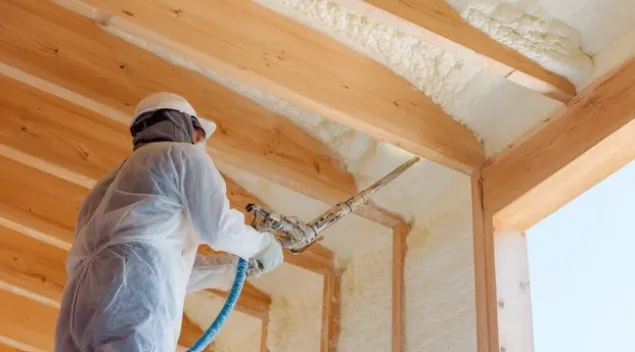
Standard insulation materials slow heat transfer. Spray foam does that and seals air leaks at the same time — which is why it outperforms traditional options in most applications. Air leakage is responsible for a significant portion of energy loss in homes, and no amount of batt or blown-in insulation fills the small gaps, cracks, and penetrations where conditioned air escapes. Spray foam expands on contact to seal those pathways completely. At Clean Air Doctors, we assess your home first to determine where spray foam will have the most impact and which type is the right fit for each specific area.
Open cell and closed cell foam are not interchangeable — they serve different purposes and perform differently depending on where they're installed. Closed cell foam is dense, rigid, and moisture-resistant, making it the right choice for exterior walls, crawl spaces, rim joists, and any area where humidity or water intrusion is a concern. It also adds structural rigidity to the surfaces it's applied to. Open cell foam is softer, expands more aggressively, and works well in interior walls, attics, and spaces where sound dampening is also a benefit. Understanding which type belongs where is the difference between a spray foam job that performs and one that creates problems down the road.
The impact of properly installed spray foam is felt immediately — tighter rooms, more consistent temperatures, and noticeably less strain on the HVAC system. Over time, the energy savings compound and the improved building envelope protects your home from moisture infiltration and the structural issues that come with it. Clean Air Doctors serves homeowners and property owners across Chicago, Aurora, Joliet, Bolingbrook, Palatine, and the broader Chicagoland area. Call (773) 669-6139 to find out where spray foam can make the biggest difference in your home.
What We Offer:
Closed Cell Spray Foam Installation – High-density, moisture-resistant foam for exterior walls, crawl spaces, rim joists, and areas where a strong thermal and vapor barrier is the priority.
Open Cell Spray Foam Installation – Softer, more expansive foam well suited for interior walls, attics, and spaces where thorough cavity fill and sound dampening are the primary goals.
Rim Joist Sealing – One of the most impactful and overlooked applications for spray foam — sealing rim joists eliminates a major source of cold air infiltration in Chicago-area homes with basements.
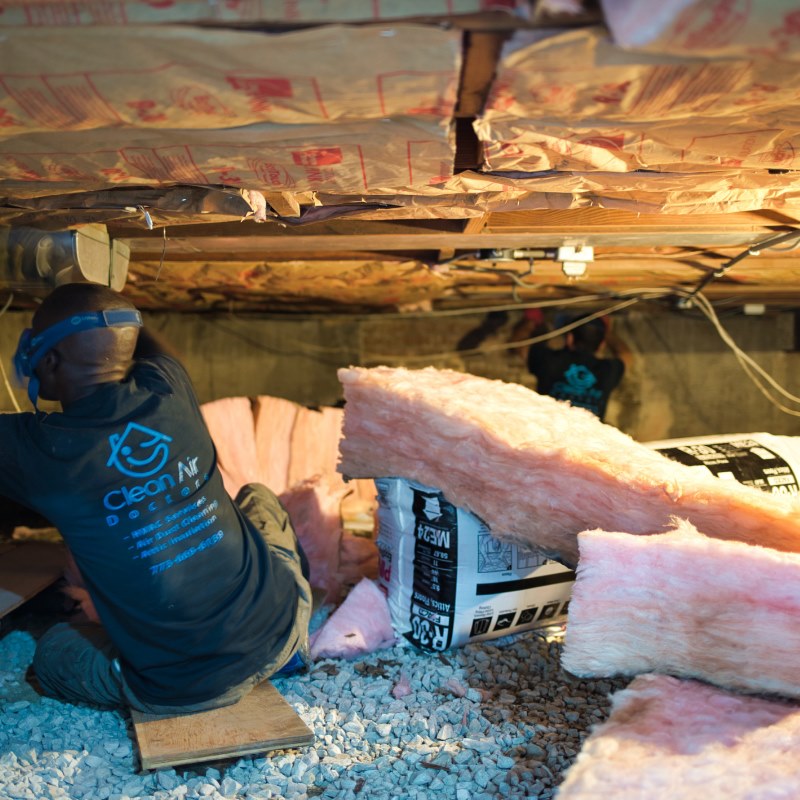
Crawl Space Spray Foam Application – Closed cell foam applied to crawl space walls and floors creates a sealed, conditioned environment that controls moisture and eliminates cold floors above.
Air Sealing & Gap Filling – Spray foam is applied to penetrations, gaps around pipes, wiring, and framing — sealing the pathways where conditioned air escapes and outside air enters.
Attic Roof Deck Application – Open cell foam applied to the underside of the roof deck creates a conditioned attic space that protects ductwork running through the attic from extreme temperature exposure.
Pre-Installation Assessment – Every job starts with an evaluation of where air leakage and thermal loss are occurring so foam is applied where it will deliver the most measurable improvement.
Why Choose Clean Air Doctors for Spray Foam Insulation (Open & Closed Cell)
Right Foam in the Right Place – Open cell and closed cell foam are not the same product and should not be treated as interchangeable. Clean Air Doctors evaluates each area of your home separately and applies the appropriate type based on the specific performance requirements of that space.
Air Sealing and Insulation in One Step – Spray foam addresses two problems simultaneously — heat transfer and air infiltration. That dual function is what makes it more effective than standard insulation in most applications, and it's the reason the energy savings tend to be more significant.
Honest Scope, No Overselling – Spray foam is not the right solution for every part of every home. Where traditional insulation is more appropriate, that's what gets recommended. The goal is the best result for your property — not the highest invoice.
Chicago Climate Application Knowledge – Spray foam selection and installation in the Chicago area has to account for freeze-thaw cycles, basement moisture, humid summers, and the specific construction styles common in older Chicago-area homes. That local context shapes every recommendation.
Clean Application, Professional Results – Spray foam installation requires proper preparation and technique to produce a clean, consistent result. Work areas are protected, application is controlled, and the finished surface is left in good condition before the job is called complete.
DISCOVER WHAT OUR CUSTOMERS HAVE TO SAY ABOUT US
REVIEWS
Review us on Google
⭐⭐⭐⭐⭐
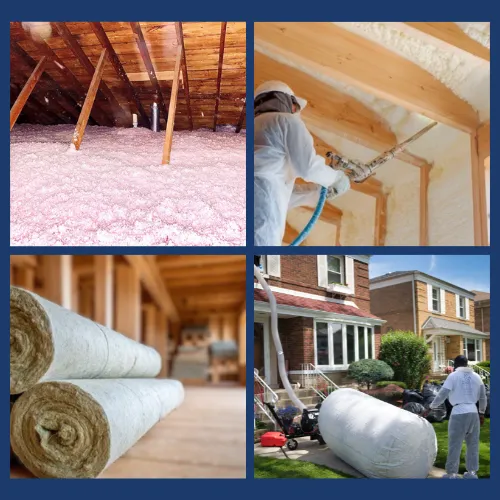
Dusty ducts? Cold rooms? Energy bills that keep climbing no matter what you do?
Clean Air Doctors Solves the Air Quality and Comfort Problems Chicago Homes Deal With Every Day


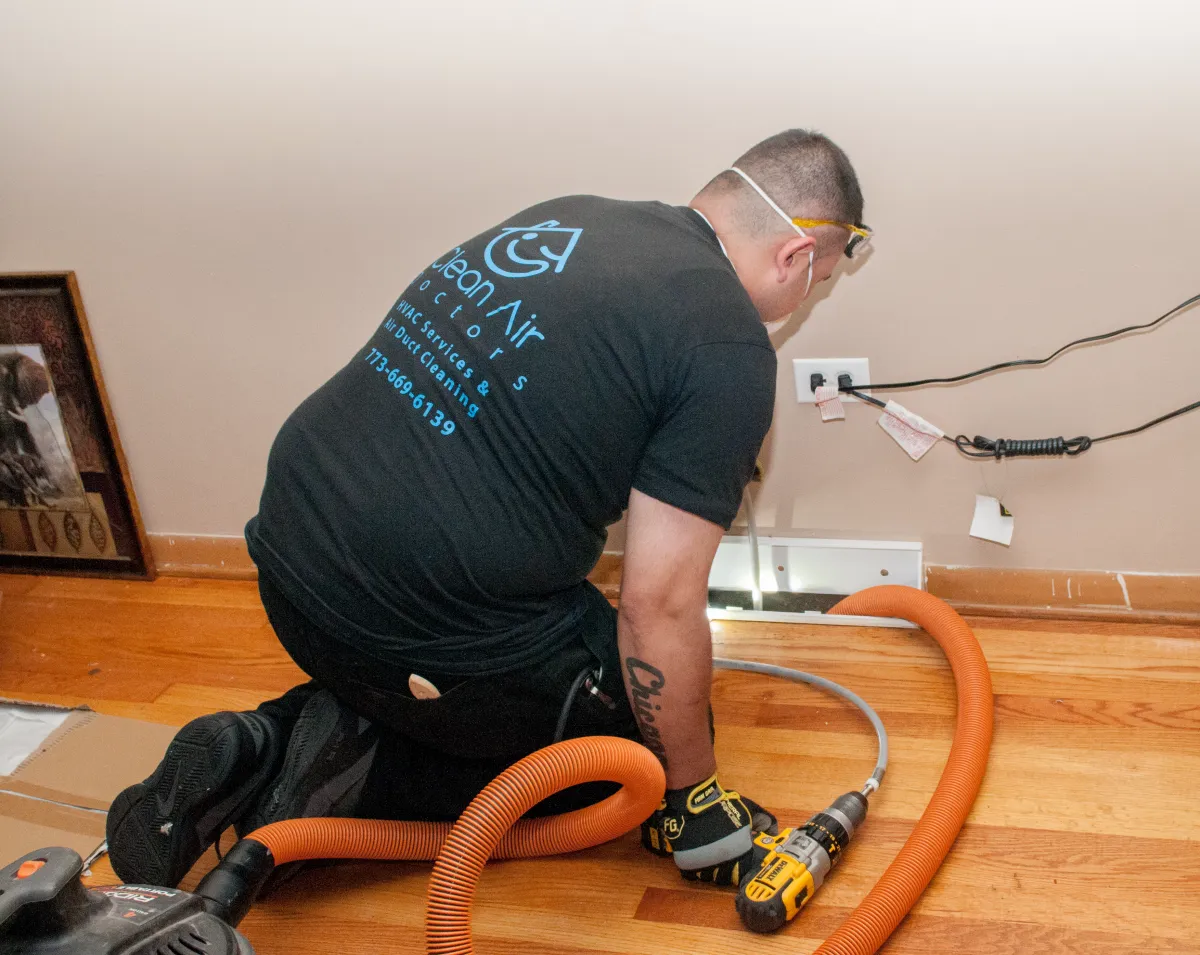
Breathe Cleaner. Live Better.
Contact Us
Social


Quick Links
Services
Locations
