
Why Chicago Homeowners Trust Clean Air Doctors
Who We Are
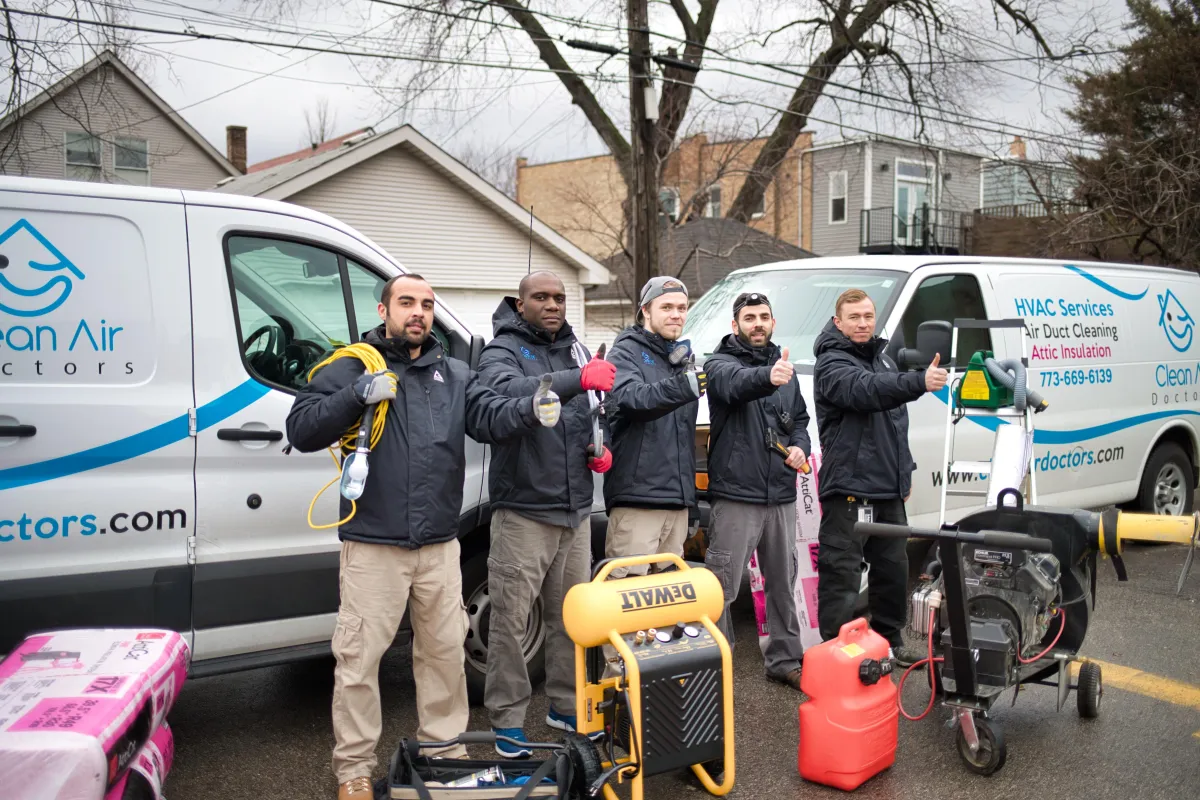
A Team Committed to Excellence
Built on Honest Work
Clean Air Doctors was started because too many Chicago homeowners were getting subpar service from companies more focused on volume than quality. Ofer Tsemah saw it firsthand — rushed jobs, unnecessary upsells, and technicians who left without explaining what was done or why. That frustration became the motivation to build something different. A company where every home gets a real assessment, every recommendation is earned, and every job is finished the way it should have been done the first time.
We Serve the Whole Home
Air quality and insulation are connected systems — and treating them that way leads to better results. A home with clean ducts but poor insulation still struggles with energy loss and uneven temperatures. A well-insulated home with a contaminated duct system still circulates poor air. Clean Air Doctors handles both, which means your home gets evaluated as a whole, not in isolated parts. That approach saves homeowners time, money, and the hassle of coordinating multiple contractors for problems that are often related.
Our Track Record
Numbers That Speak for Themselves
10+
Years
In Business
1000+
Major Projects
Completed
2500+
Happy
Customers
16+
Chicagoland
Communities Serving
Our Team
Your Dedicated Home Experts
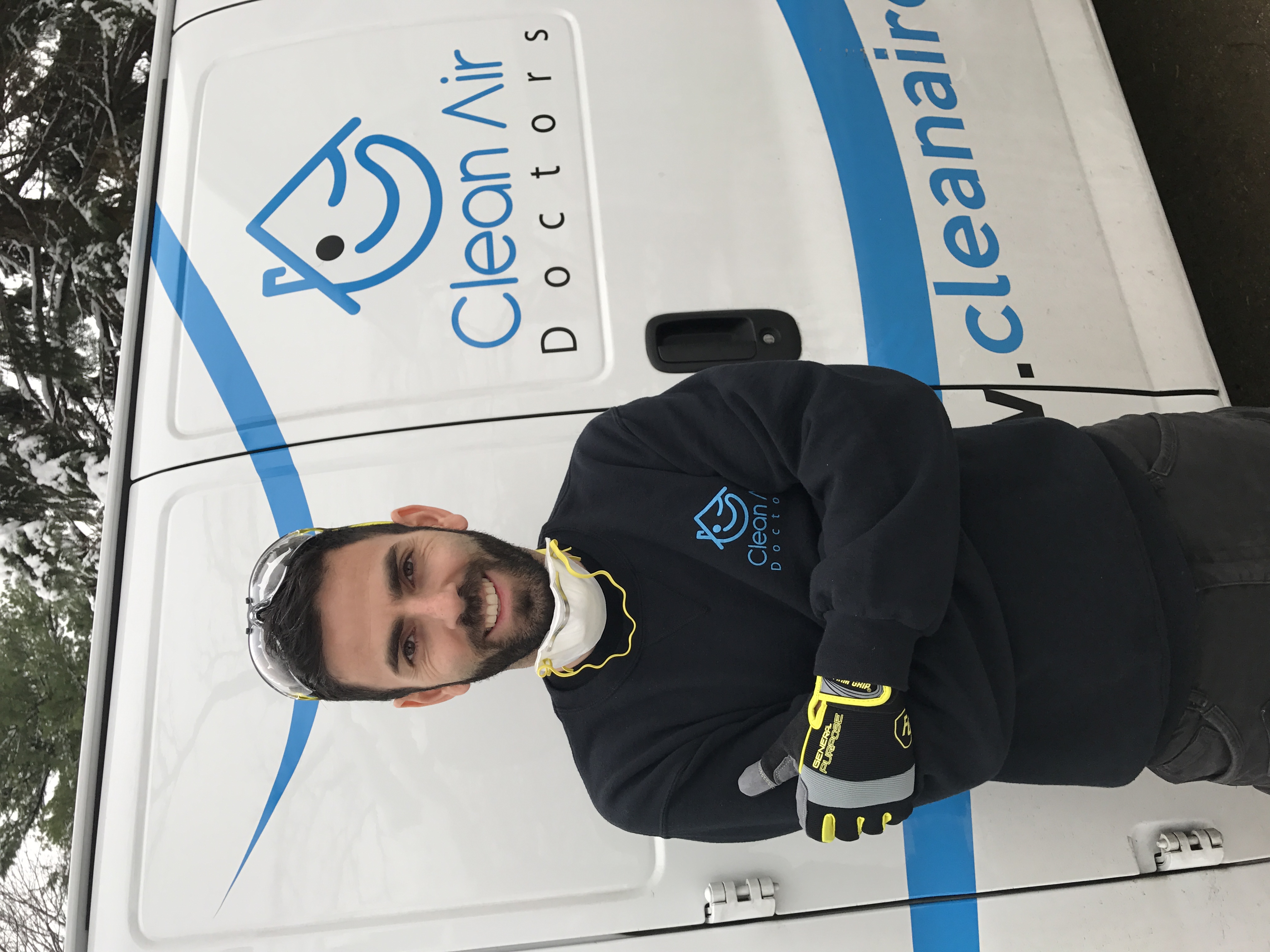
Ofer Tsemah
Owner & Lead Technician
Ofer handles assessments, leads installations, and is directly involved in the quality of every job that goes out under the Clean Air Doctors name. His approach is straightforward — inspect thoroughly, explain clearly, and do the work right without cutting corners. Homeowners across Chicago and the surrounding suburbs trust him because he treats every property with the same care and attention he would give his own.
Our Services in Illinois
Air Quality and Insulation Solutions for Every Part of Your Home
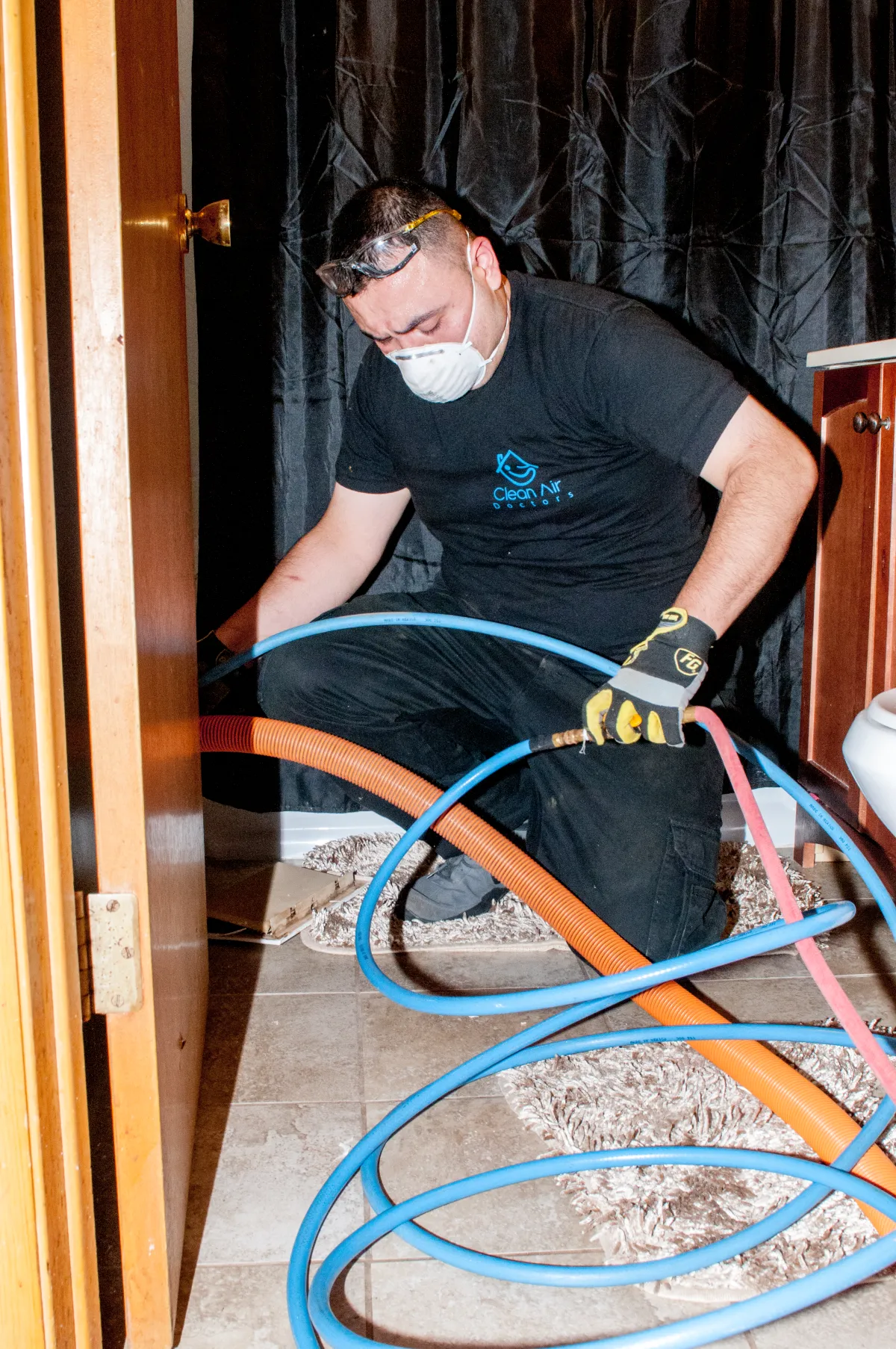
Residential Air Duct Cleaning & Insulation
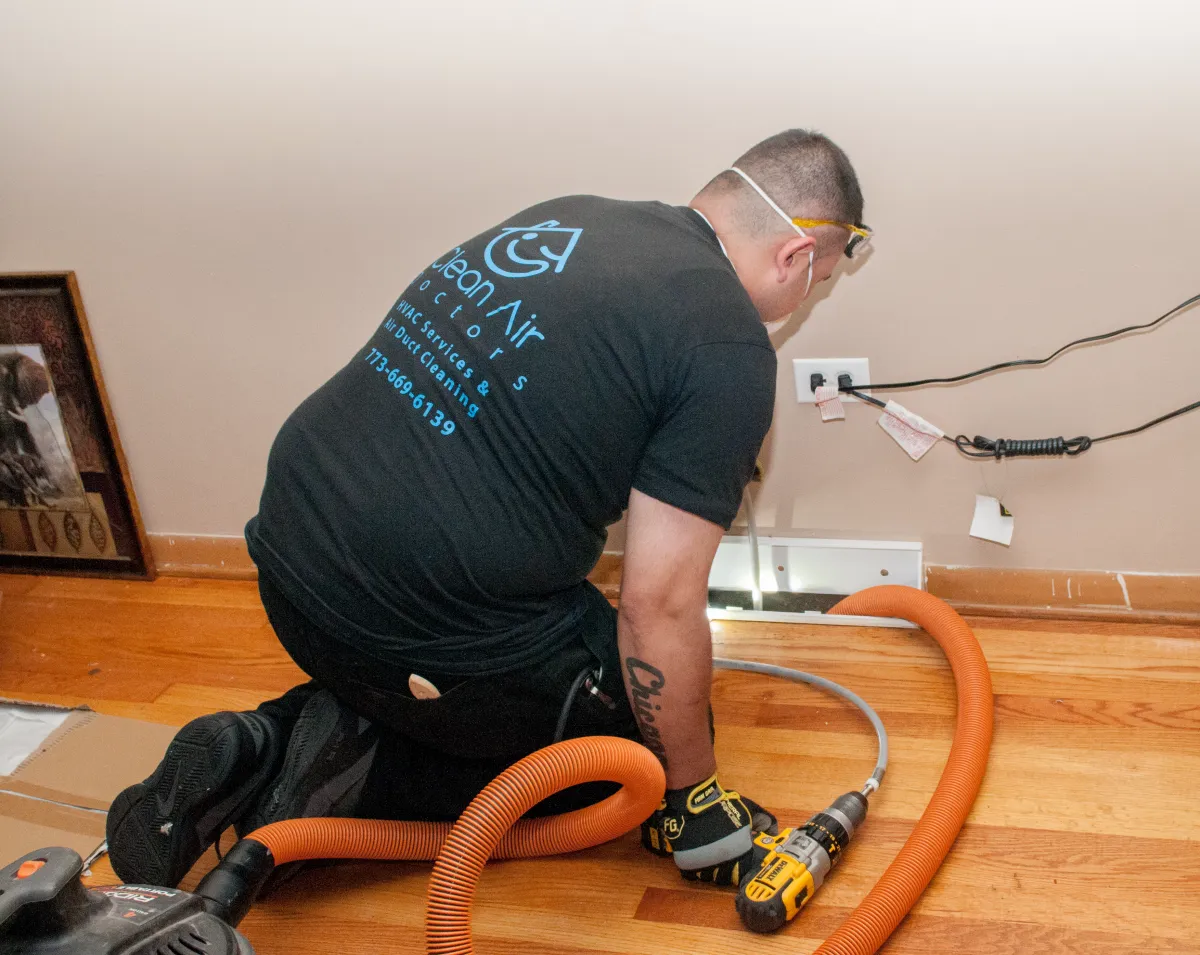
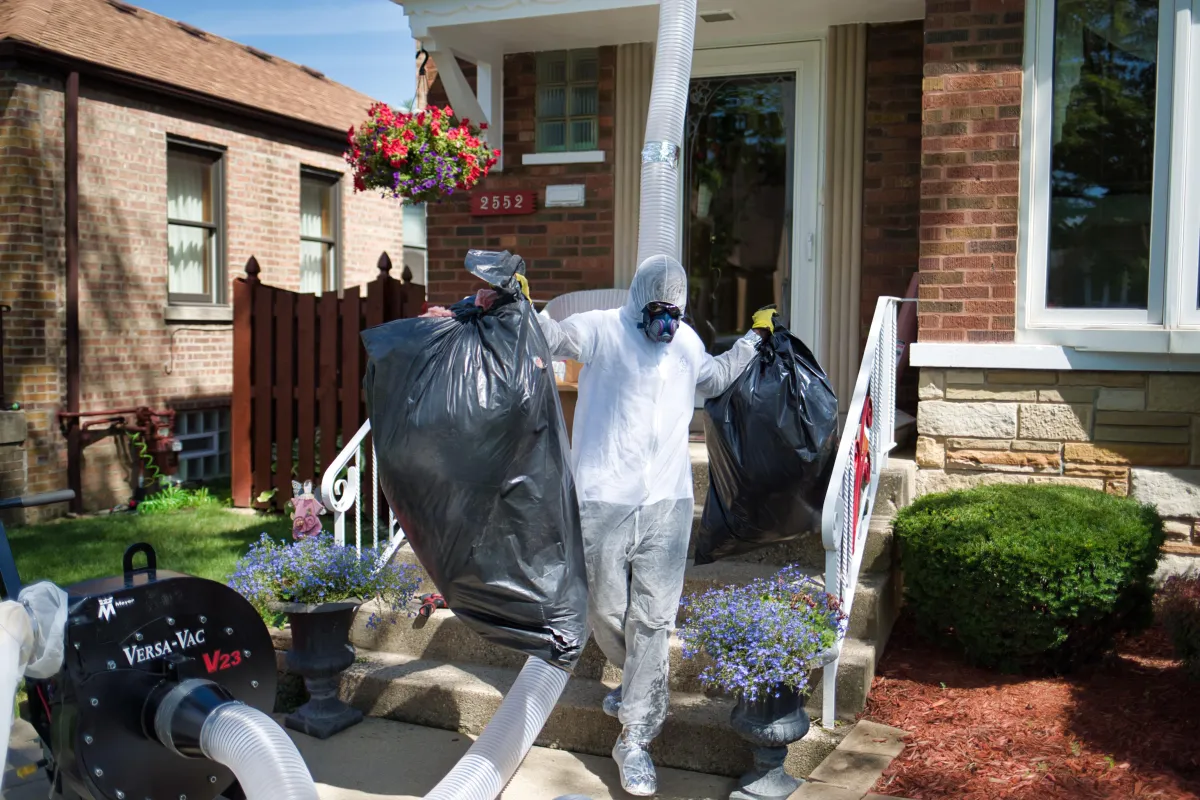
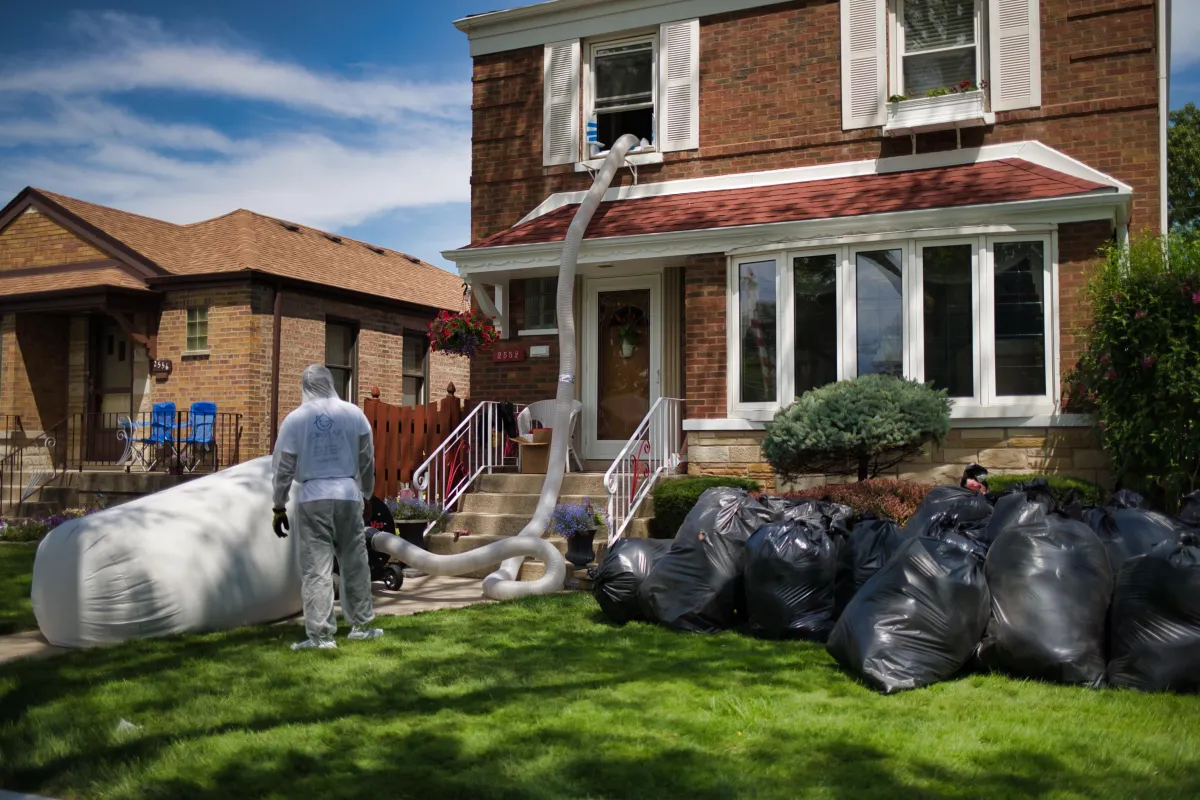
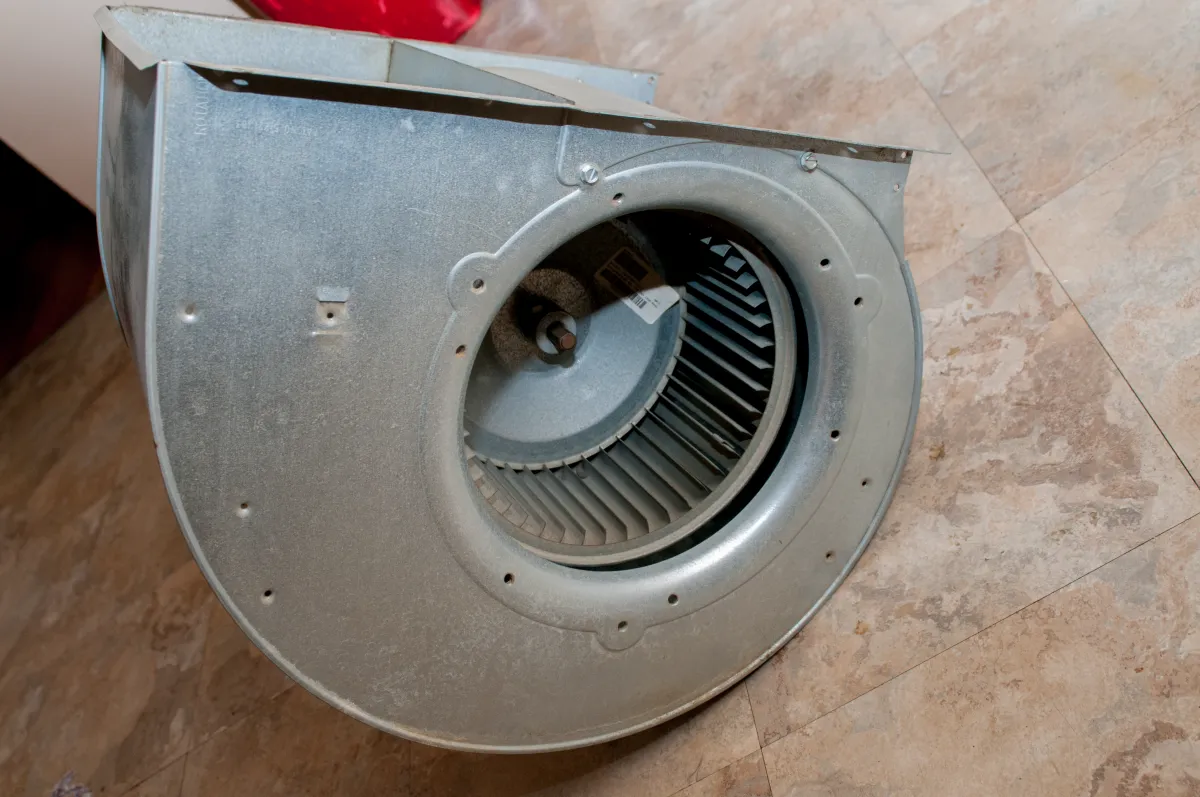
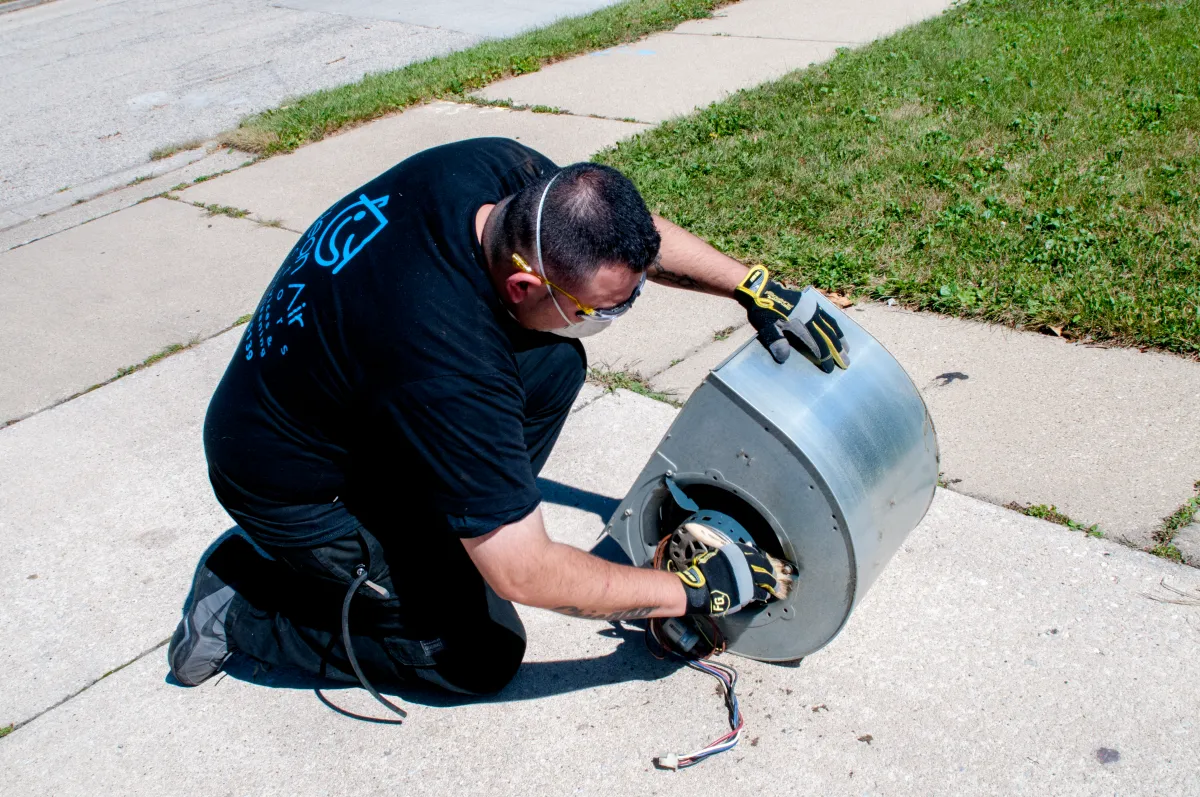
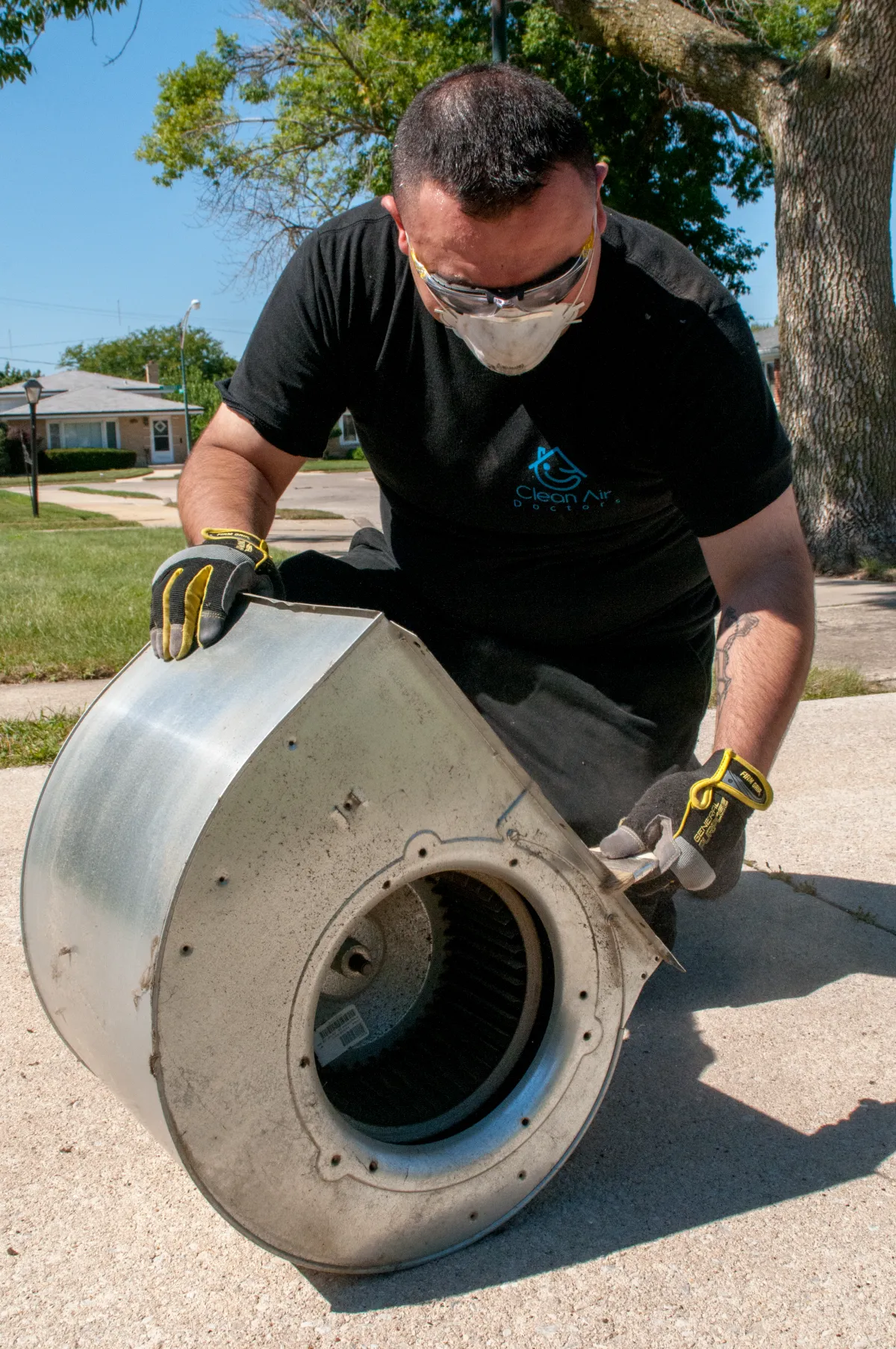
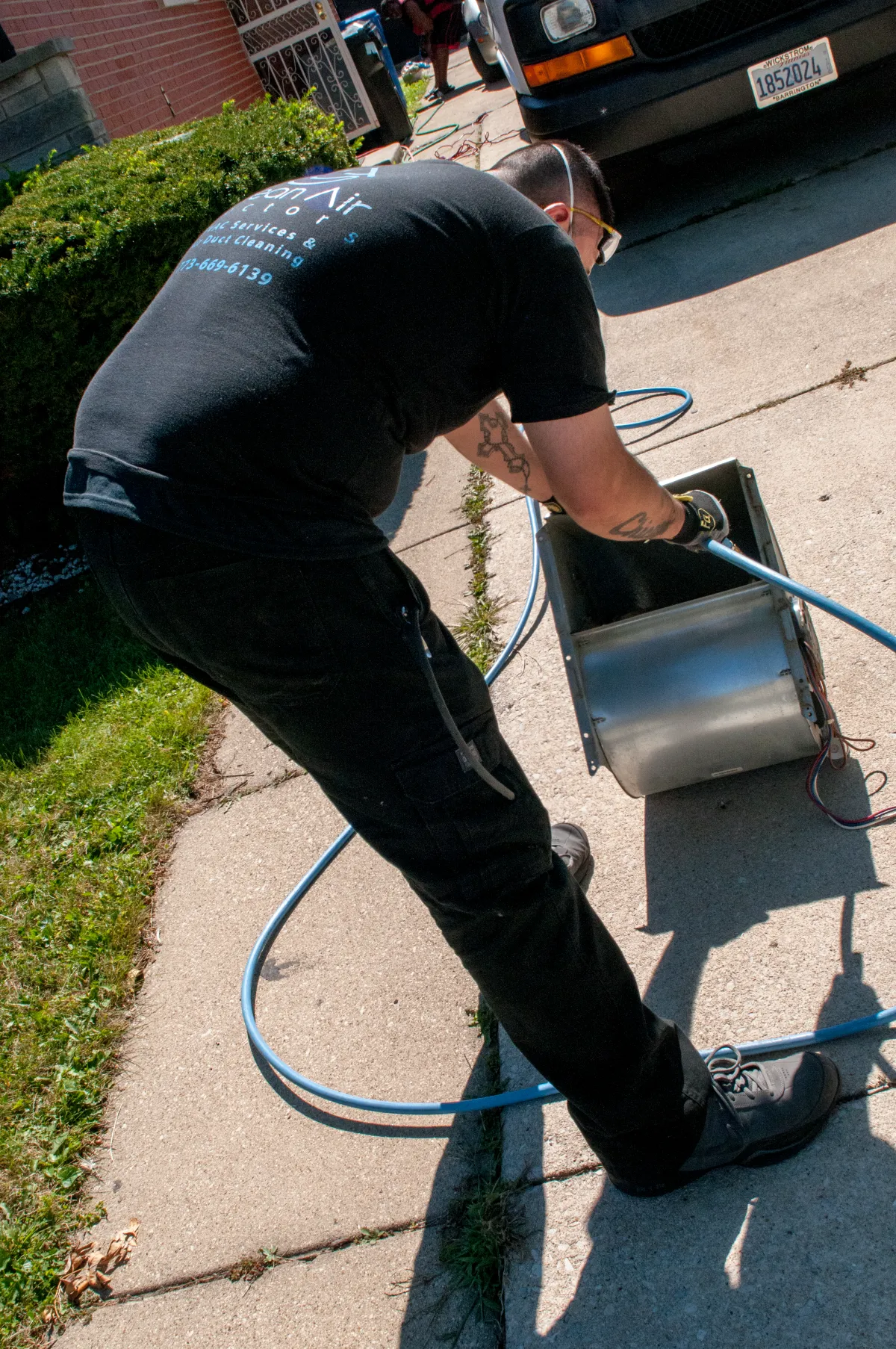
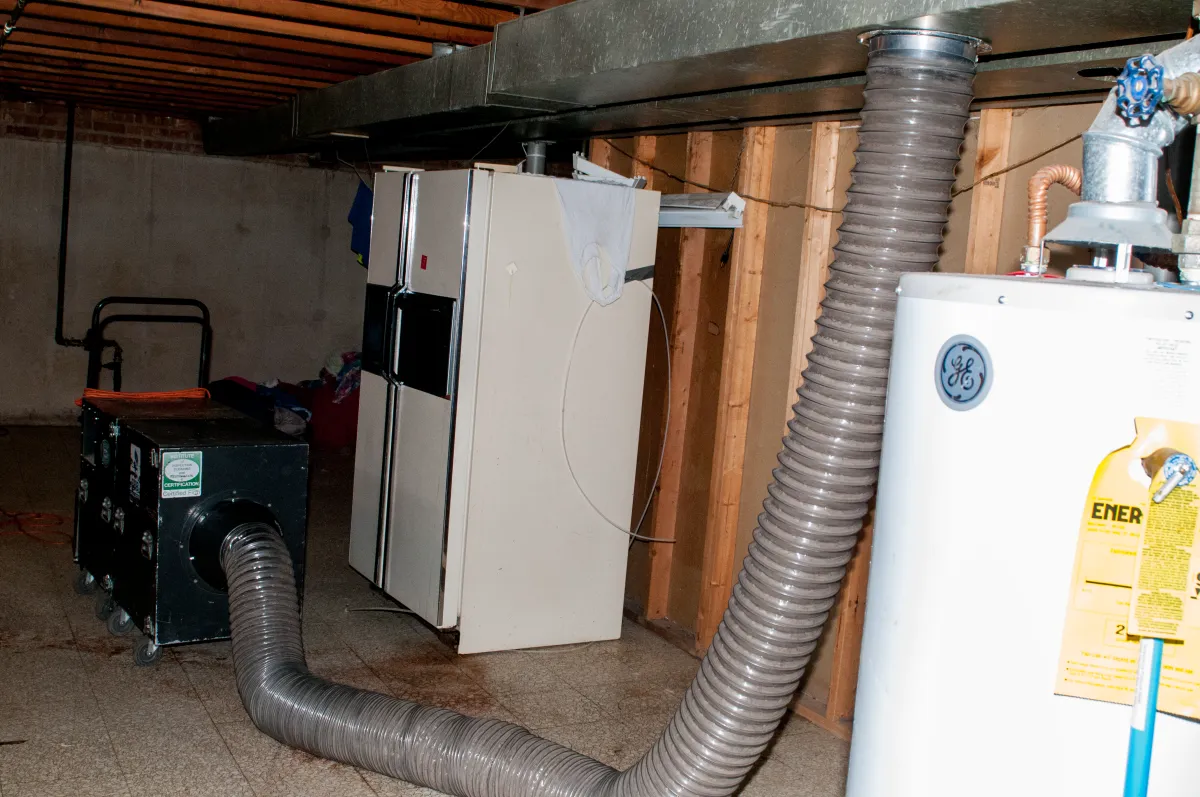
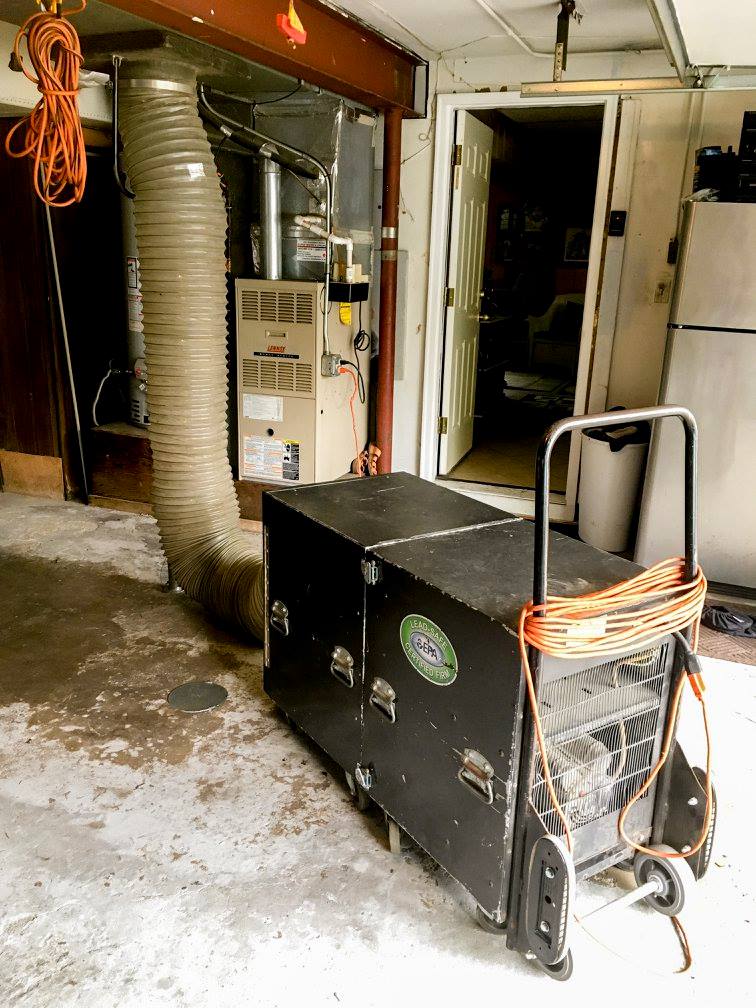
Your home's duct system carries air to every room — and everything that collects inside it gets recirculated daily. A thorough cleaning removes years of dust, allergens, and debris that affect the air your family breathes. Pairing that with proper air duct insulation means the system runs more efficiently and maintains temperature with less effort. It's one of the most direct improvements you can make to home comfort and air quality.
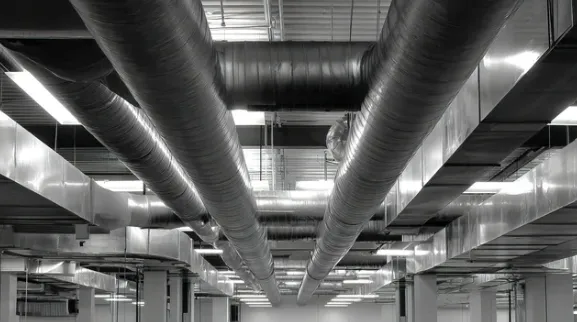
Commercial Air Duct Cleaning & Insulation
Commercial duct systems move large volumes of air and collect contaminants quickly. Regular professional cleaning keeps air quality at a standard that protects everyone inside the building — employees and customers alike. Adding insulation to the ductwork reduces energy loss and keeps the HVAC system performing consistently across larger spaces. The result is a cleaner, more comfortable environment and lower operating costs.
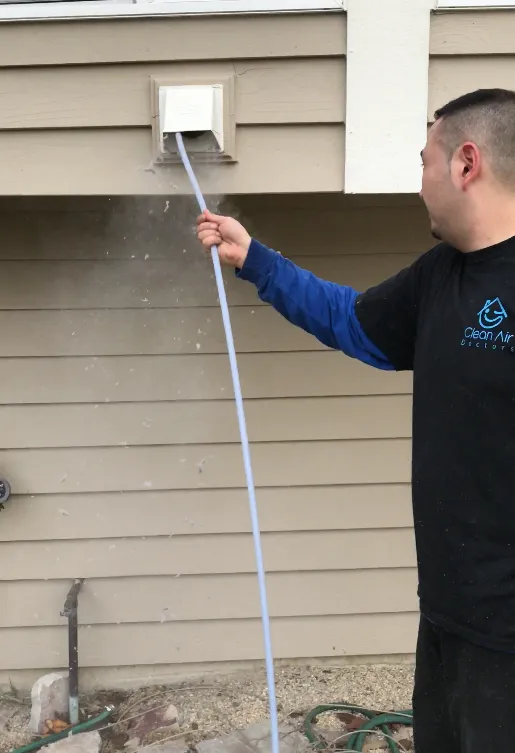
Dryer Vent Cleaning Service
A clogged dryer vent is one of the most overlooked fire hazards in a home — and it builds up quietly over time. Lint accumulation restricts airflow, forces the dryer to work harder, and puts real stress on the appliance. Regular cleaning keeps the vent clear, the dryer running efficiently, and your home safe. If your clothes are taking longer to dry than they used to, the vent likely needs attention.
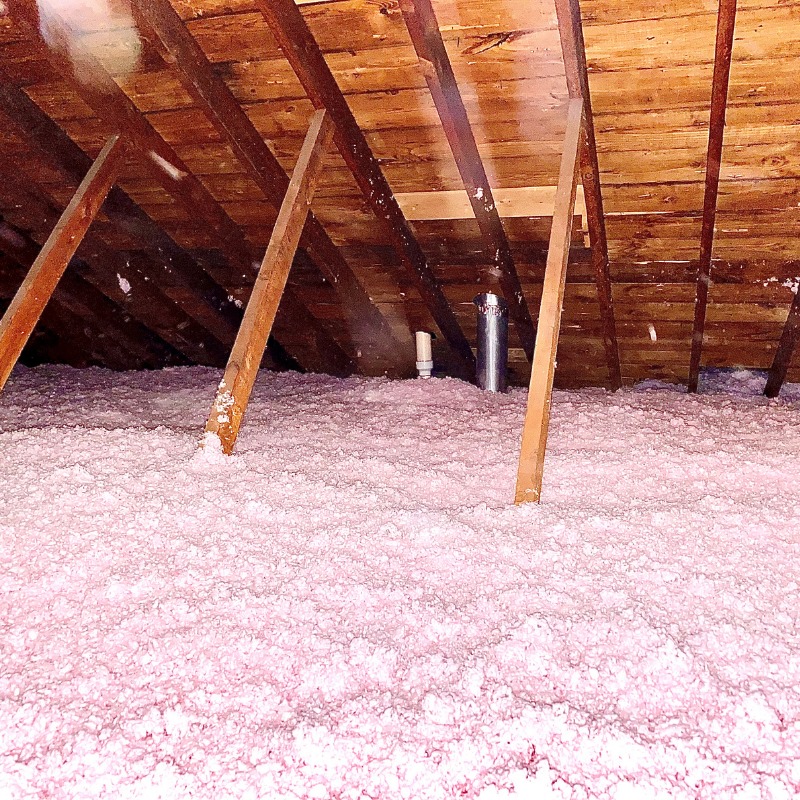
Attic & Flat Roof Insulation Installation
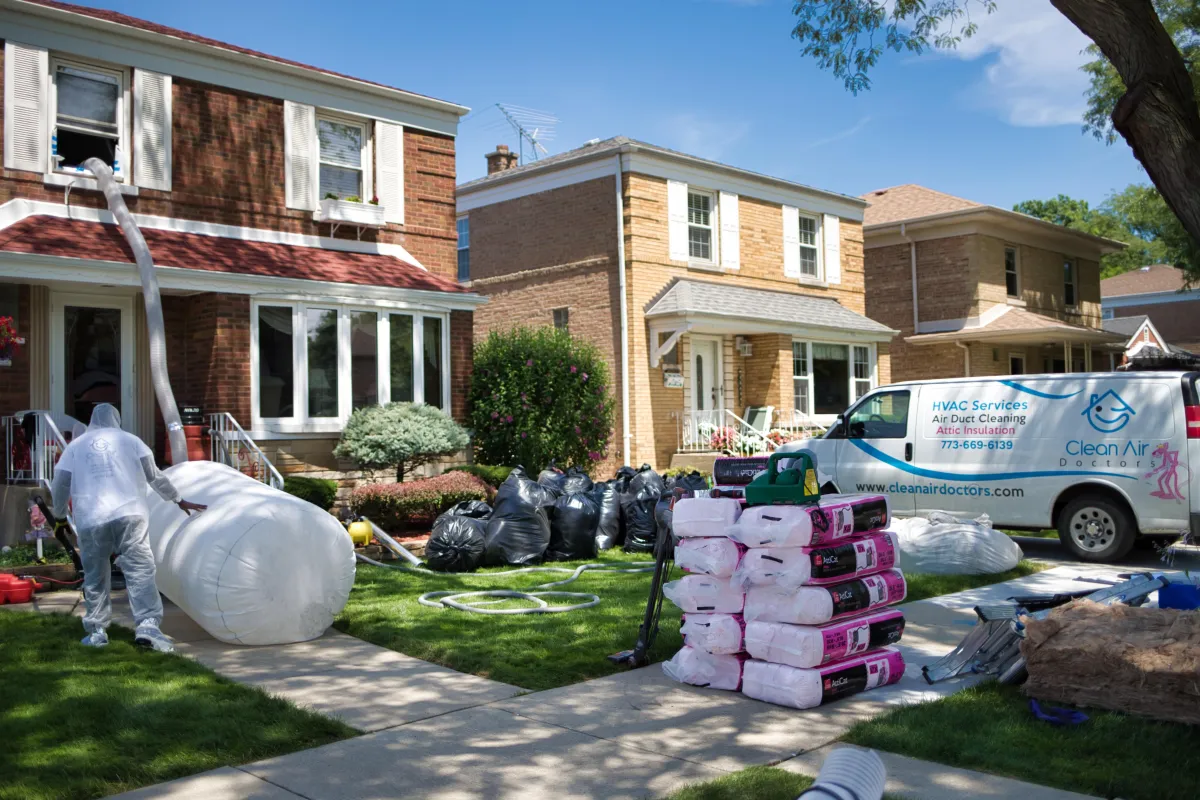
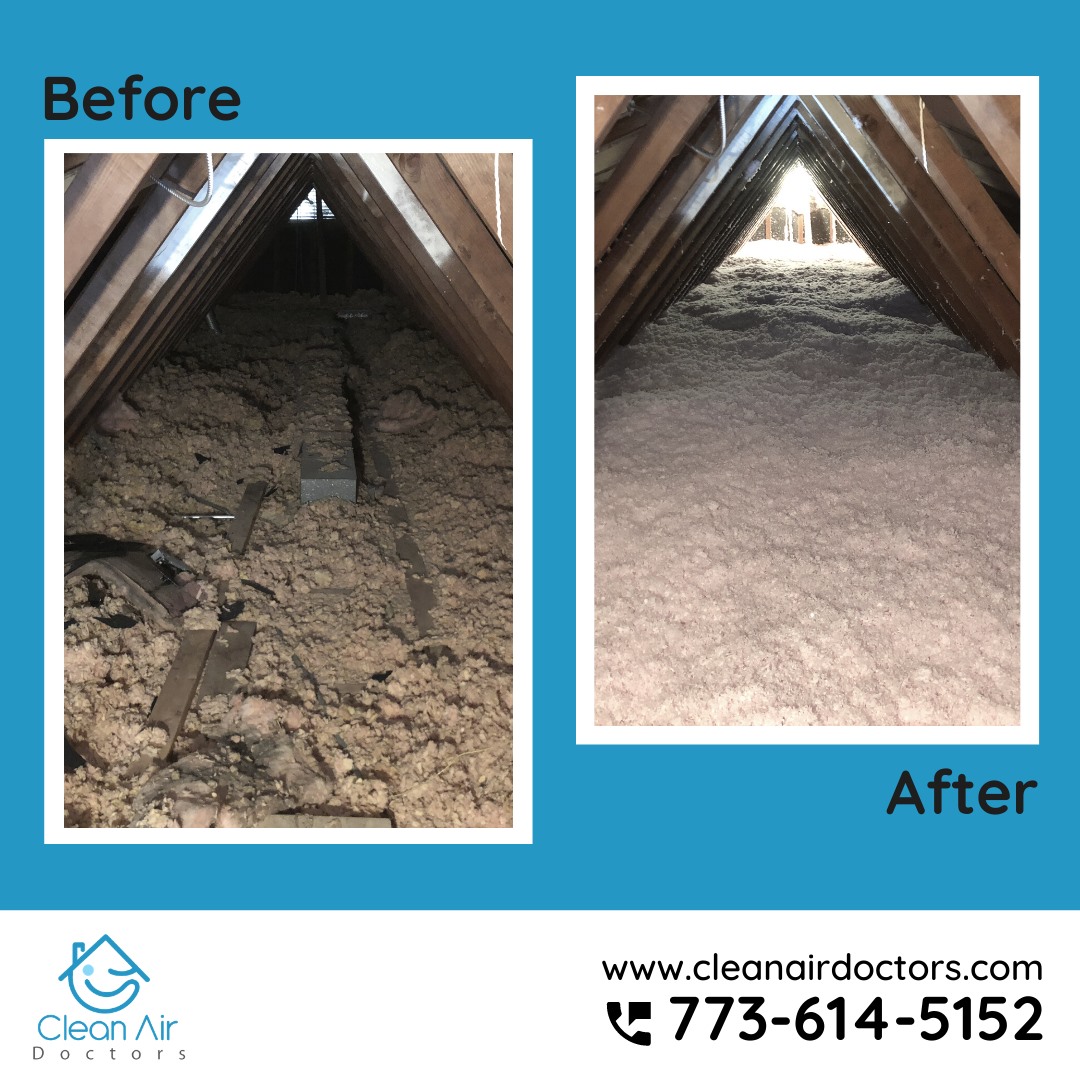
Without adequate attic insulation, heat escapes directly through the roof in winter and bakes down into living spaces in summer. Proper installation creates a thermal barrier that keeps your home comfortable year-round and significantly reduces the load on your HVAC system. Flat roof insulation addresses the same issue for low-slope rooflines, protecting the structure and stabilizing interior temperatures. Both services pay for themselves in energy savings over time.
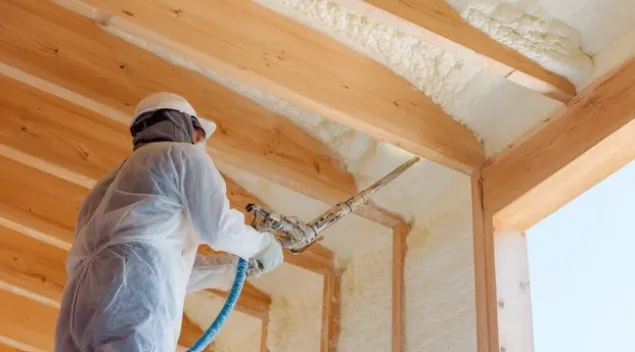
Spray Foam Insulation (Open & Closed Cell)
Spray foam does two things at once — it insulates and seals air leaks in the same application. Closed cell foam provides a dense, moisture-resistant barrier well-suited for exterior walls, crawl spaces, and areas with humidity concerns. Open cell foam expands more freely and works well for interior walls and attics where flexibility matters. The result is a tighter building envelope and noticeably better energy performance compared to traditional insulation alone.
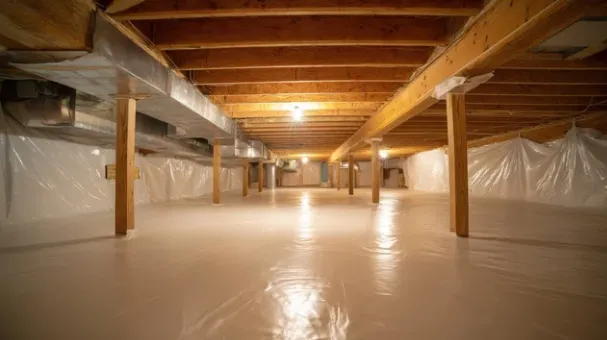
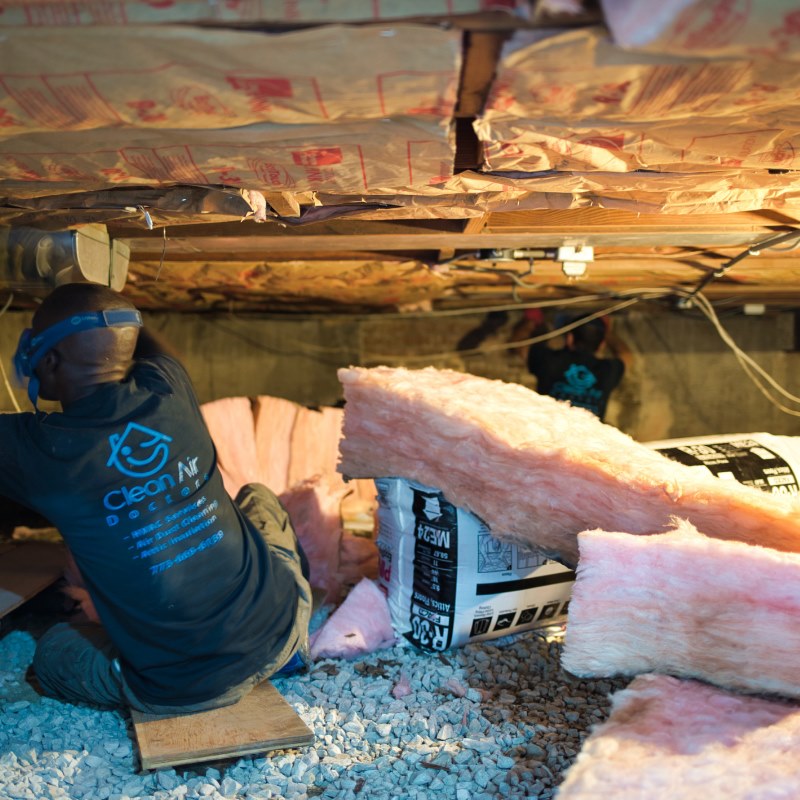
Crawl Space Insulation & Vapor Barrier
Crawl spaces are one of the most overlooked areas in a home, yet they directly affect floor temperature, moisture levels, and air quality throughout the house. Insulating the crawl space stops cold air from rising through your floors during winter and keeps the space thermally stable. A vapor barrier controls ground moisture that leads to mold growth and long-term structural damage. Together, these two services protect your home from the ground up.
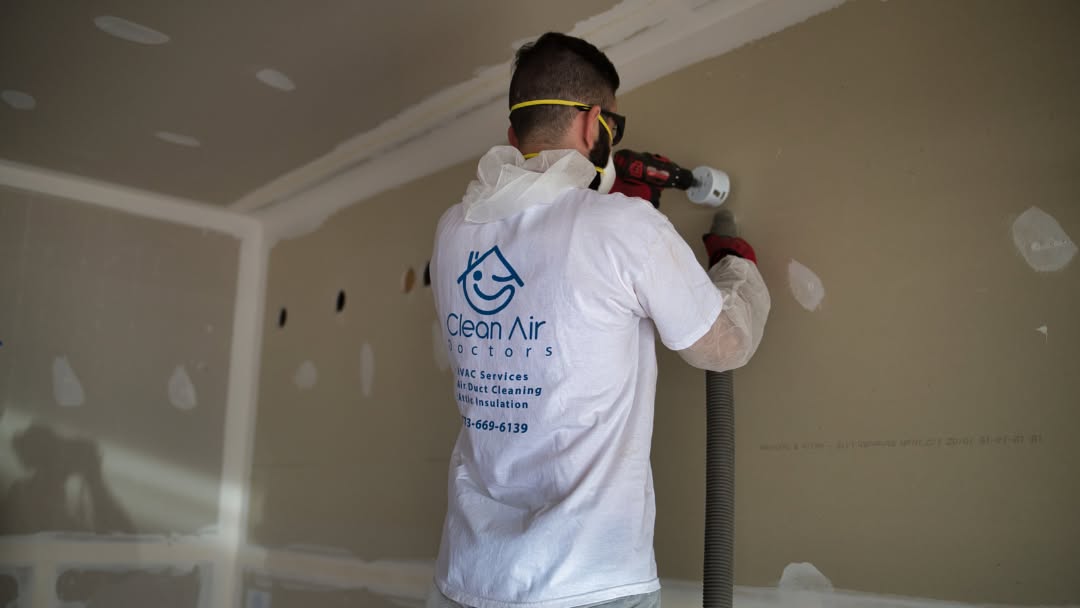
Wall Insulation (Drill & Fill / Netting & Filling)
Many older homes were built with little to no insulation inside the walls, leading to cold drafts, uneven room temperatures, and high heating bills. The drill and fill method involves creating small openings in the wall cavity and injecting insulation — no drywall removal required. The netting and filling approach uses a mesh backing to hold blown-in material securely within the cavity. Both methods dramatically improve thermal performance with minimal disruption to the home.
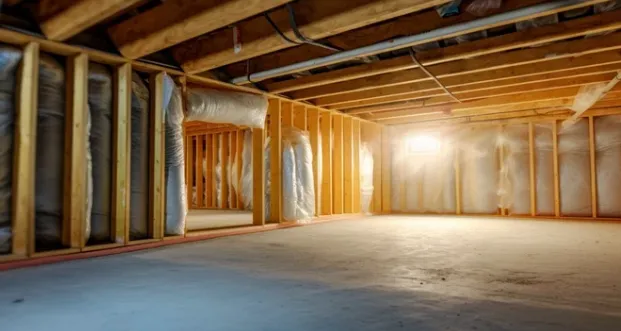
Basement Insulation Services
An uninsulated basement is a consistent source of heat loss and cold floors throughout the home. Insulating basement walls and rim joists keeps the space warmer, reduces the workload on your heating system, and helps control the moisture that is common in basements due to seasonal temperature swings. The lower level of your home has a bigger impact on overall comfort than most homeowners realize. Addressing it properly makes a difference you can feel throughout the entire house.
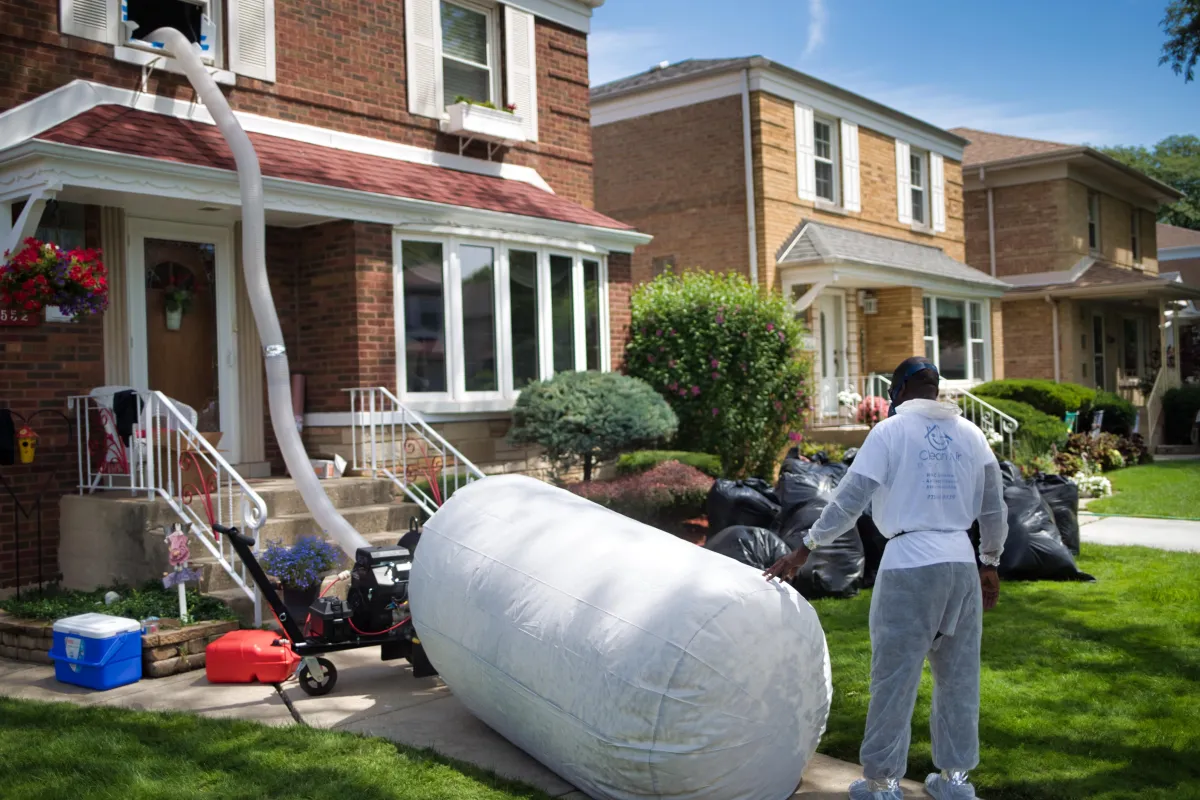
Blown-In & Batt Insulation
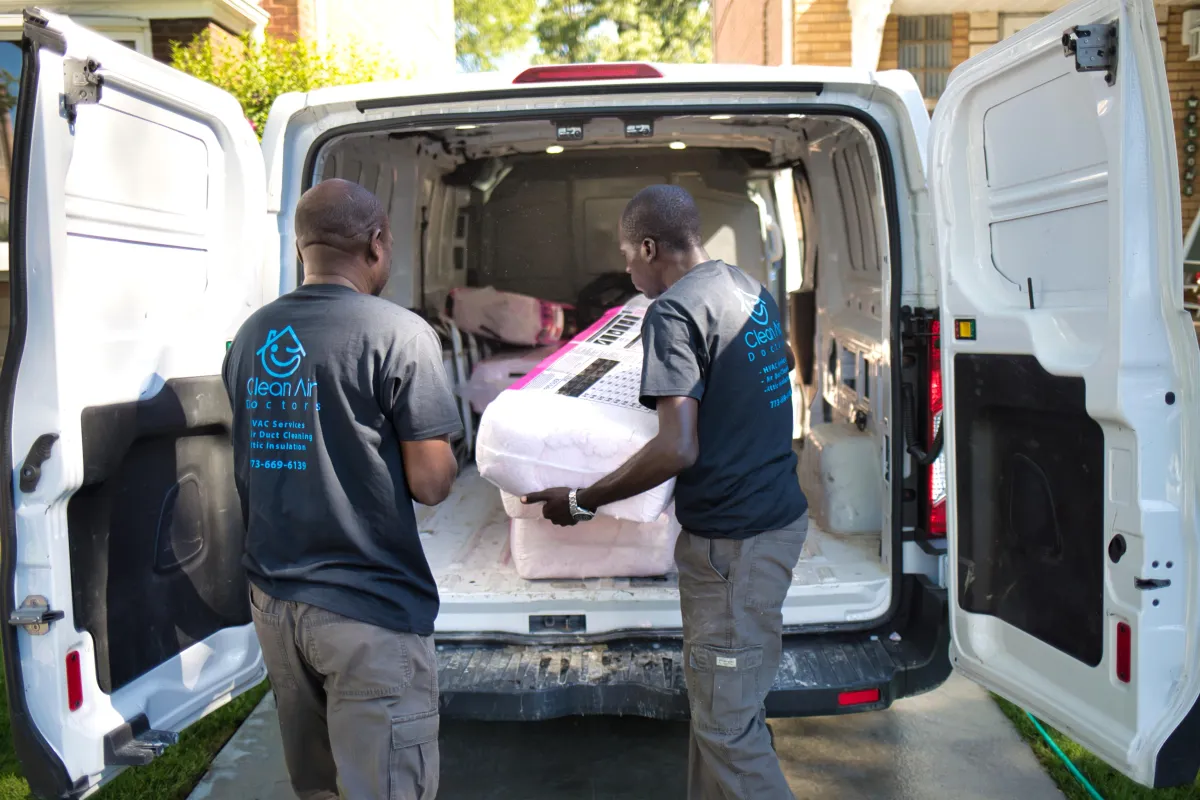
Blown-in and batt insulation are two of the most reliable methods for achieving consistent thermal coverage across a home. Blown-in material — available in fiberglass, cellulose, or rockwool — works well in attics, walls, and irregular spaces where thorough coverage is the priority. Batt insulation comes in pre-cut panels and fits cleanly between studs and joists in open wall or renovation projects. The right material and method depend on the area being insulated and the performance goal.
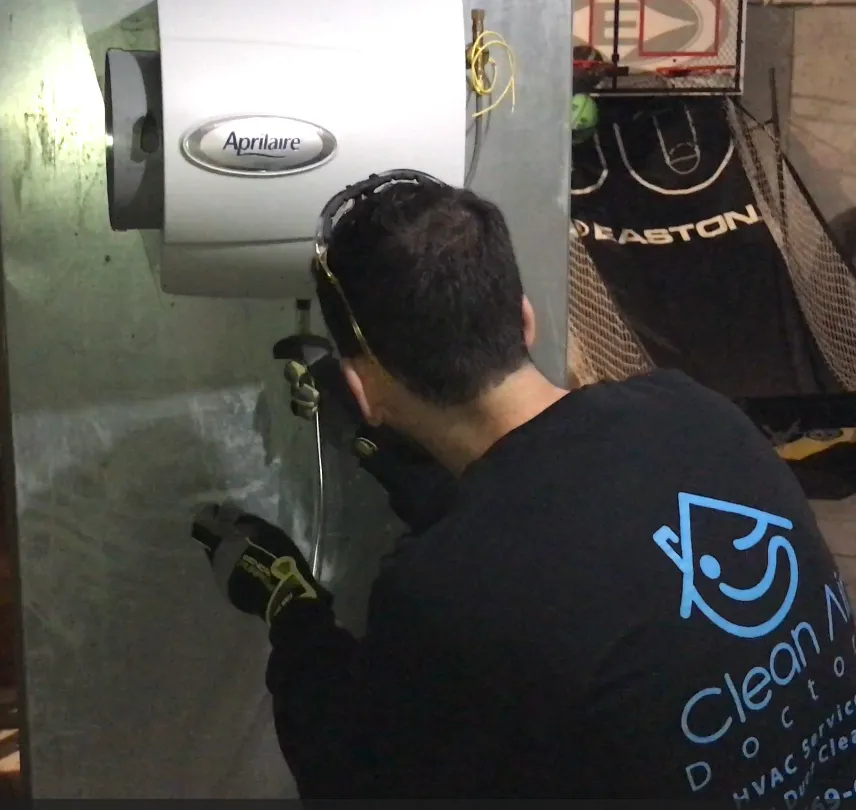
Whole House Humidifier Installation
Dry indoor air is a real problem during Chicago winters — dry skin, irritated sinuses, and static electricity are common symptoms. A whole house humidifier connects directly to your HVAC system and maintains consistent humidity levels automatically throughout the entire home. It also protects hardwood floors, wood trim, and furniture from the cracking and warping that dry air causes over time. It's a simple upgrade with a noticeable impact on day-to-day comfort.
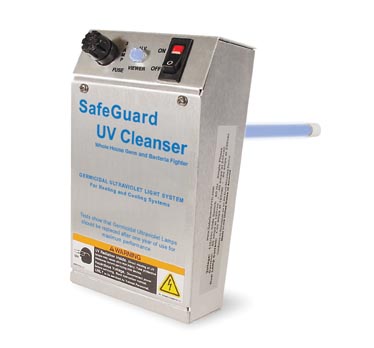
UV Light Air Purification System
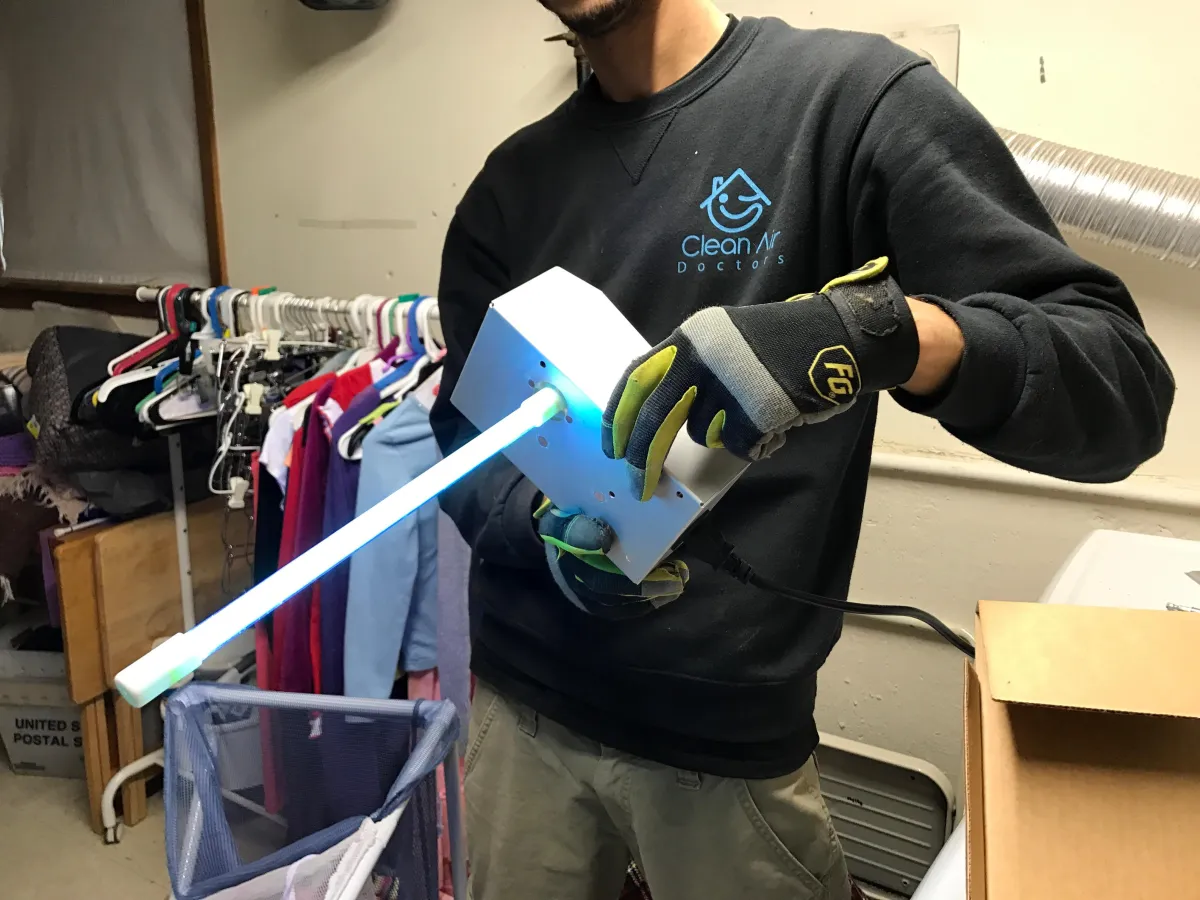
UV air purifiers are installed inside your HVAC system where they work continuously to neutralize airborne bacteria, mold spores, and viruses before they circulate through the home. Unlike portable units, a whole-home UV system treats every cubic foot of air that passes through your ductwork. This is especially valuable for households with allergy sufferers, asthma, or anyone focused on maintaining clean indoor air. Installation is non-invasive and the system starts working immediately.
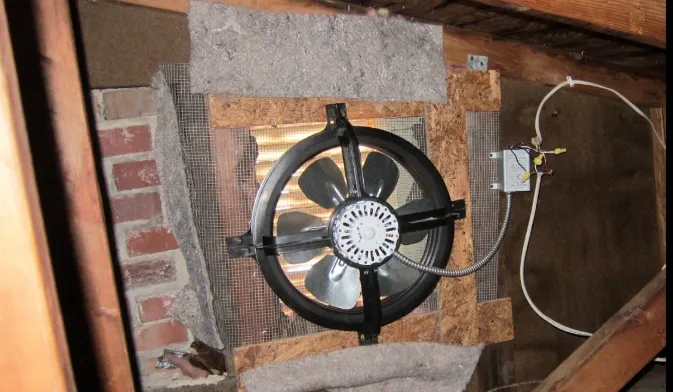
Attic Fan, Bathroom Fan & Roof Vent Installation
Proper ventilation controls the heat, moisture, and stale air that builds up in a home's upper structure. Attic fans draw out trapped heat during summer, lowering cooling costs and extending the lifespan of your roof. Bathroom fans remove humidity from high-moisture areas, preventing mold from forming on walls and ceilings. Roof vents work alongside these systems to keep consistent airflow through the entire structure.
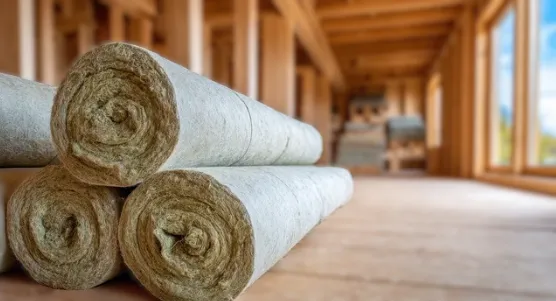
Soundproofing Insulation
Soundproofing insulation reduces noise transfer between rooms, floors, and from outside into your living space. Dense insulation materials absorb sound waves rather than letting them pass through walls and ceilings. This is especially useful in multi-unit buildings, home offices, bedrooms, and any space where outside noise or room-to-room sound is a persistent problem. The installation process is close to standard insulation work but uses materials specifically rated for acoustic performance.
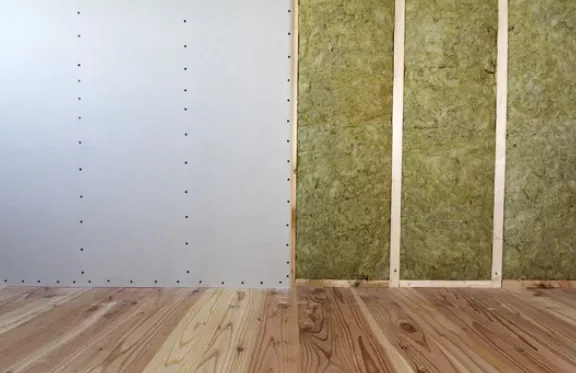
Drywall Repair & Installation
Water damage, impact, or renovation work can leave walls in rough shape. Clean Air Doctors handles drywall repair and full installation so you don't need to bring in a separate contractor after insulation or vent work is completed. Repairs are matched to existing texture and finished cleanly for a seamless result. Whether it's a small patch or a full section, the work is done with the same care as every other job on the list.
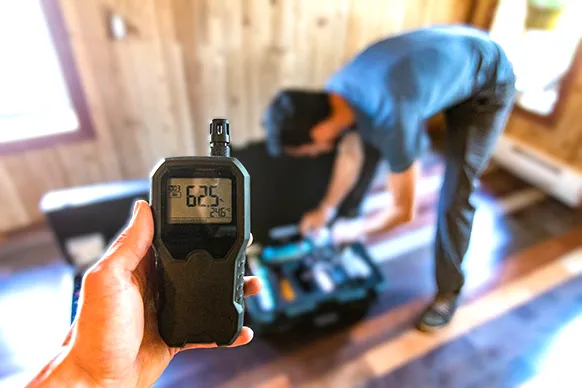
Indoor Air Quality & HVAC Assessment
Before recommending any service, a proper inspection gives you a clear and honest picture of what's actually happening in your home. This assessment covers duct condition, airflow, insulation gaps, and potential contaminants circulating through the system. You receive a straightforward summary of findings and honest recommendations — no pressure, no inflated problem lists. It's the right starting point for any homeowner looking to improve comfort, air quality, or energy efficiency.
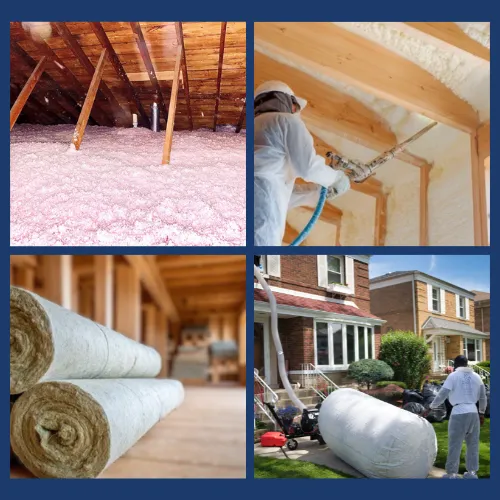
Dusty ducts? Cold rooms? Energy bills that keep climbing no matter what you do?
Clean Air Doctors Solves the Air Quality and Comfort Problems Chicago Homes Deal With Every Day
DISCOVER WHAT OUR CUSTOMERS HAVE TO SAY ABOUT US
REVIEWS
Review us on Google
⭐⭐⭐⭐⭐
Our Simple 3-Step Service Process
1
You Reach Out, We Listen
The process starts with a real conversation. When you contact Clean Air Doctors, you speak with someone who understands the services and can ask the right questions about your home. No automated callbacks, no pressure to book on the spot. The goal at this stage is to understand what you're dealing with — whether it's a drafty room, a dusty home, high energy bills, or something you just noticed — so the visit is productive from the start.
2
We Assess Before We Recommend
Before any work is proposed, a proper walkthrough is done. Duct condition, insulation levels, ventilation, and airflow are all evaluated based on what's actually present in your home. Findings are explained in plain language, and recommendations are tied directly to what was observed — not to a standard package or a sales quota. If something doesn't need to be done, that gets communicated honestly. If multiple issues are found, they're prioritized so you can make informed decisions about where to start.
3
The Work Gets Done Right
Once the scope is agreed on, the job is scheduled and completed with care. Work areas are kept clean throughout, and the job isn't called finished until the results meet the standard set at the start. Before leaving, everything completed is explained clearly so you know exactly what was done and what to expect going forward. Clean Air Doctors serves homeowners across Chicago, Naperville, Schaumburg, Arlington Heights, Evanston, and surrounding Chicagoland communities — and every job, regardless of location or size, gets that same level of attention.
Ready to get started?
Frequently Asked Questions
Got Questions? We’ve Got Answers!
How often should I get my air ducts cleaned in Chicago?
Most homes benefit from air duct cleaning every 3 to 5 years, but Chicago's climate can accelerate buildup. If you've recently completed a renovation, moved into a home, or noticed increased dust and allergy symptoms, sooner is the better call. Homes with pets, older HVAC systems, or past moisture issues may need more frequent cleaning. A professional inspection can give you a clear picture before committing to a full service.
What is the difference between open cell and closed cell spray foam insulation?
Closed cell spray foam is denser and more rigid, providing a higher R-value per inch and a strong moisture barrier — making it ideal for exterior walls, crawl spaces, and humidity-prone areas. Open cell foam expands more and is better suited for interior walls, attics, and spaces where flexibility is needed. Both types seal air leaks while insulating, which makes them more effective than standard batt insulation in many applications. The right choice depends on where the foam goes and what the space requires.
Can air duct cleaning actually improve indoor air quality?
Yes — and the difference is often noticeable fairly quickly. Your duct system is the pathway for every bit of air that moves through your home, so whatever collects inside those ducts gets recirculated every time the system runs. Dust, pet dander, mold spores, and other debris build up over time and end up in the air your household breathes. A thorough cleaning removes that buildup at the source, which is particularly meaningful for anyone dealing with allergies or respiratory issues.
How do I know if my attic insulation needs to be replaced or just topped off?
Common signs include uneven temperatures between floors, higher-than-normal heating and cooling bills, and ice dams forming on the roof in winter — all frequent issues in Chicago-area homes. You can do a basic check yourself: if the insulation sits at or below the top of the floor joists, it's likely underperforming. A professional inspection gives you a more complete picture, including R-value assessment and any moisture or mold concerns. Topping off existing insulation is often enough, but significant settling or moisture damage may call for full replacement.
Is dryer vent cleaning really necessary or just an upsell?
It's genuinely necessary — not a service added to pad an invoice. Lint accumulation inside a dryer vent restricts airflow, puts stress on the appliance, and significantly increases the risk of a dryer fire. If your clothes are taking longer to dry than they used to, or the outside of the dryer feels unusually hot during a cycle, those are clear signs the vent needs to be cleared. Keeping it clean is a simple maintenance step with a serious safety benefit.
What does a whole house humidifier do that a portable unit cannot?
A whole house humidifier connects directly to your HVAC system and treats all the air circulating through your home — not just a single room. Portable units require constant refilling, cover limited square footage, and struggle to maintain consistent humidity in larger spaces. During Chicago winters, when indoor air becomes extremely dry, a whole-home system maintains proper humidity automatically without any ongoing effort from you. It also protects hardwood floors, wood trim, and furniture from the damage that dry air causes over time.
How does wall insulation work without removing drywall?
The drill and fill method involves making small holes — typically 1 to 2 inches — directly into the wall cavity from the interior or exterior, then injecting insulation into the space. The holes are patched and finished cleanly afterward, leaving minimal visible evidence of the work. This approach is common in older Chicago-area homes built without adequate wall insulation. It's an effective way to improve thermal performance significantly without the cost and disruption of tearing out and replacing drywall.
Do you service both homes and commercial buildings in the Chicago area?
Yes — Clean Air Doctors handles both residential and commercial properties throughout Chicago and the surrounding suburbs. Commercial duct systems require different equipment and a different approach given the scale, but the standard of work remains the same. Service areas include Naperville, Schaumburg, Arlington Heights, Evanston, Downers Grove, Oak Brook, Wheaton, Bolingbrook, and many more communities across Chicagoland. Call (773) 669-6139 to discuss your property and get a straightforward estimate.
Breathe Cleaner. Live Better.
Contact Us
Social


Quick Links
Services
Locations
