Serving Schaumburg with Excellence
Air Quality and Insulation Services That Keep Schaumburg Homes Running Right
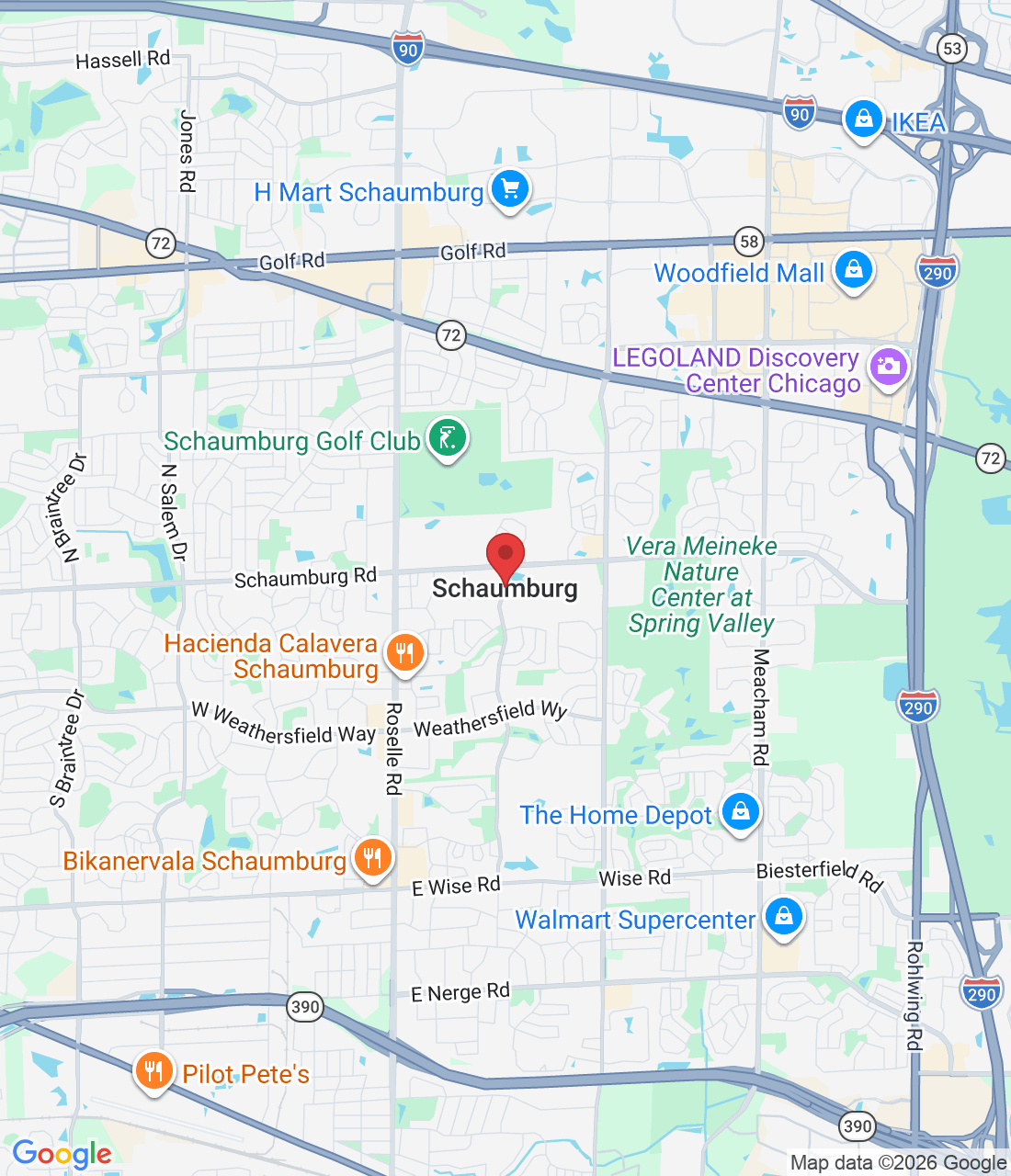
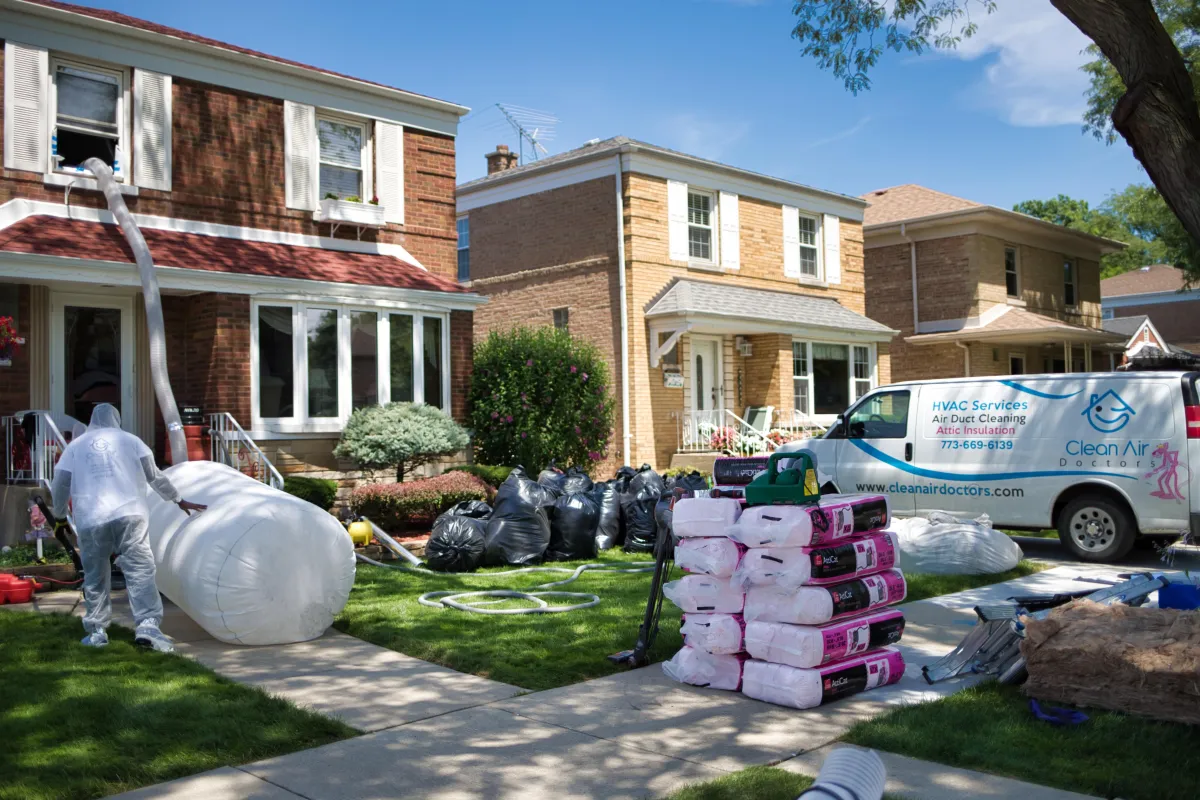
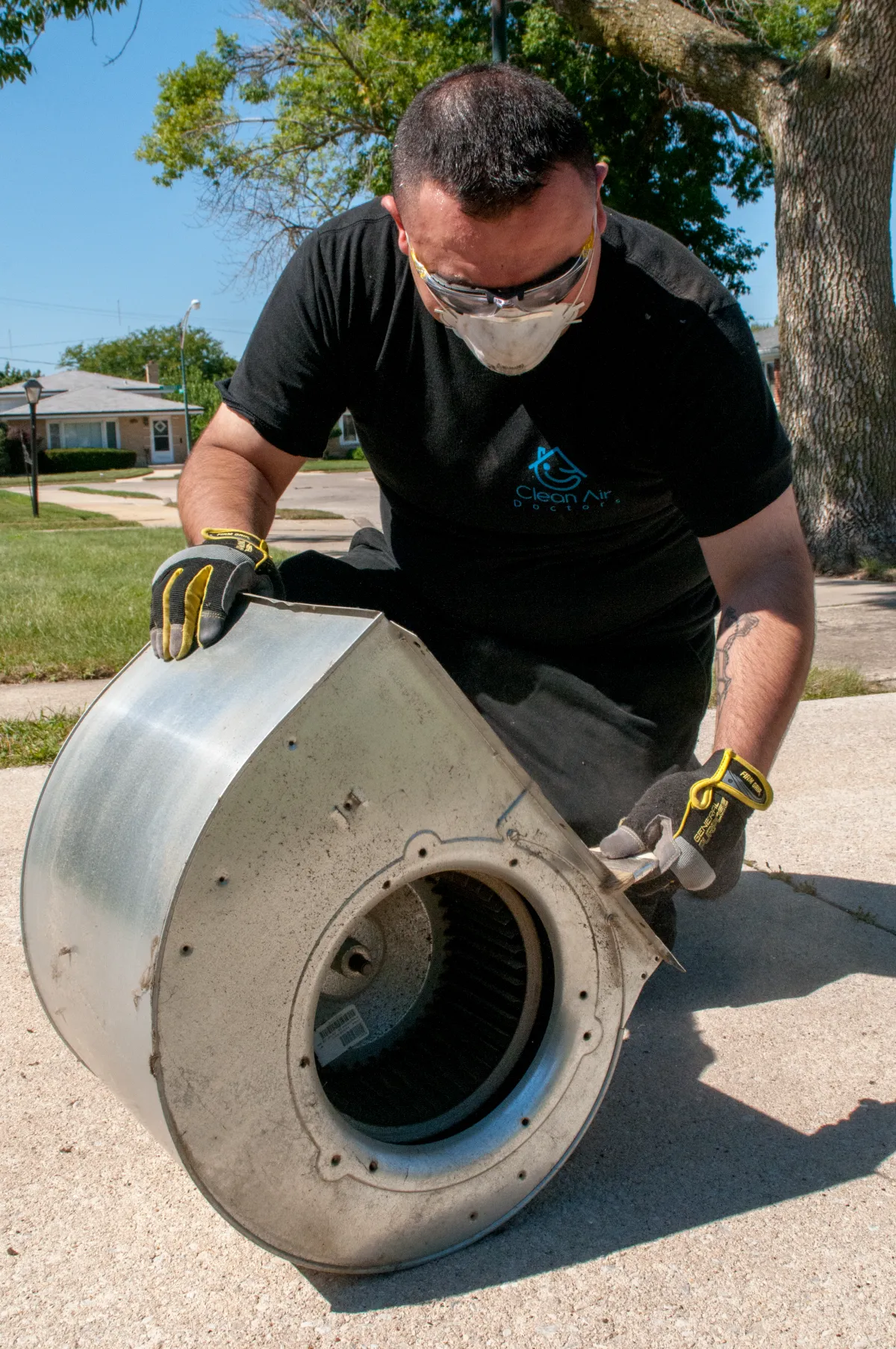
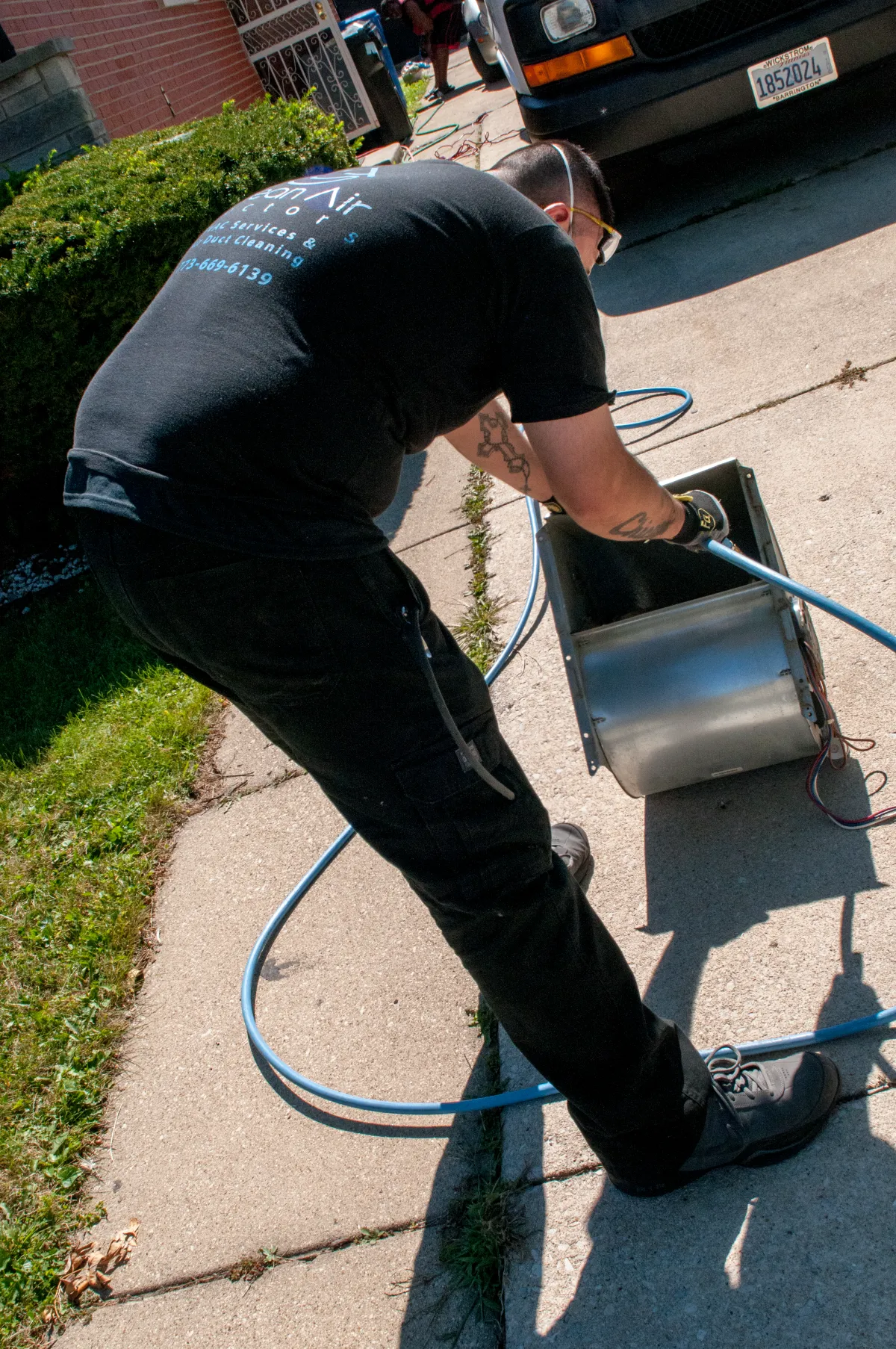
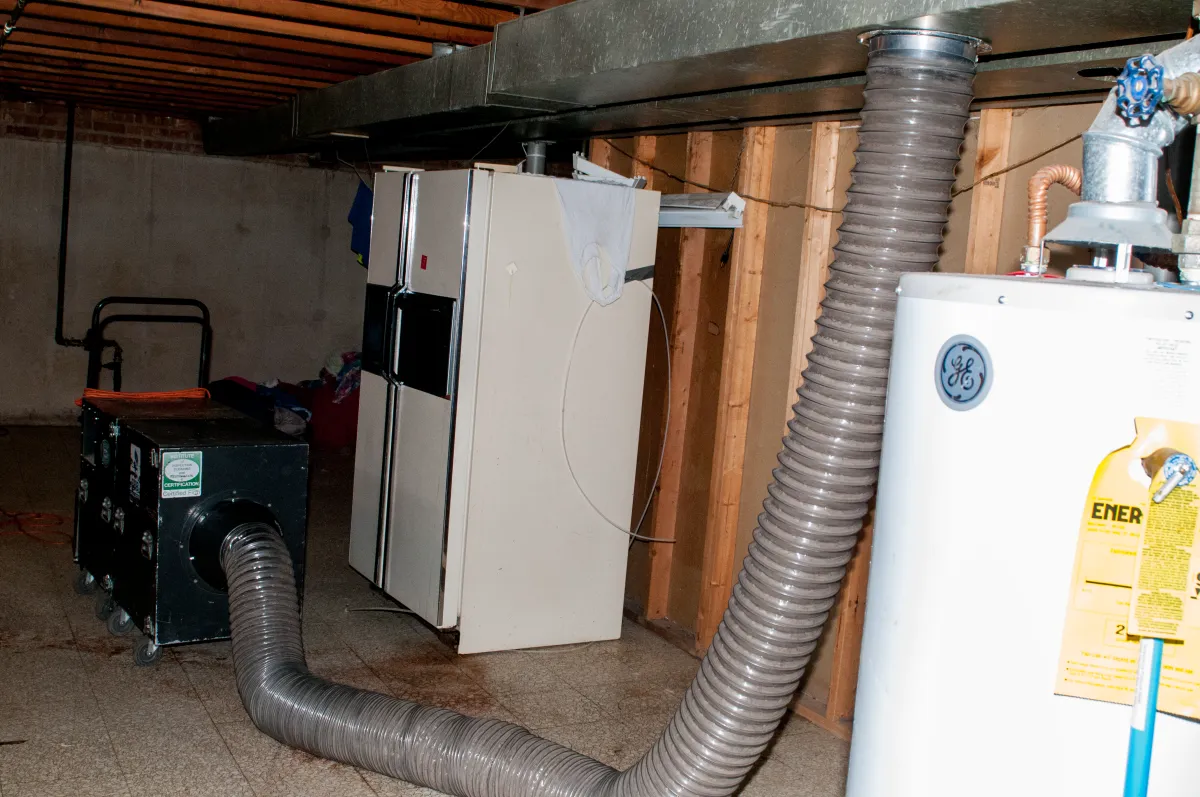
Serving Schaumburg with professional air duct cleaning and insulation services built around what this suburb's homes and commercial properties genuinely need. Schaumburg is a well-developed northwest suburb with a dense mix of residential neighborhoods, commercial corridors, and corporate properties — and the HVAC and insulation demands across that range are specific and varied. Many of Schaumburg's residential homes were built in the 1970s through the 1990s, a period when insulation standards were improving but rarely met what today's energy performance expectations require — which means a significant number of Schaumburg homes are running with attic insulation that has settled, wall cavities that were never filled, and duct systems that have accumulated years of buildup without a professional cleaning. Clean Air Doctors assesses each Schaumburg property on its own terms, evaluating what is actually present before recommending any service or scope of work. Whether the job is residential or commercial, the standard of honesty and workmanship stays exactly the same, and every Schaumburg customer leaves with a clear understanding of what was found and what was done.
Why Choose Our Services in Schaumburg?
Familiar with Schaumburg's mid-century and late-century residential construction patterns
Residential and commercial duct cleaning and insulation handled with equal professionalism
Every scope of work based on a real assessment — not assumptions about what needs doing
Transparent, upfront pricing with no charges added after the job is scoped and agreed upon
Insulation services covering attics, walls, basements, crawl spaces, and spray foam applications
Scheduling built around your availability with reliable arrivals and consistent communication
Schaumburg homeowners and property managers get complete job walkthroughs before we leave
Our Services in Illinois
Air Quality and Insulation Solutions for Every Part of Your Home
Residential Air Duct Cleaning & Insulation
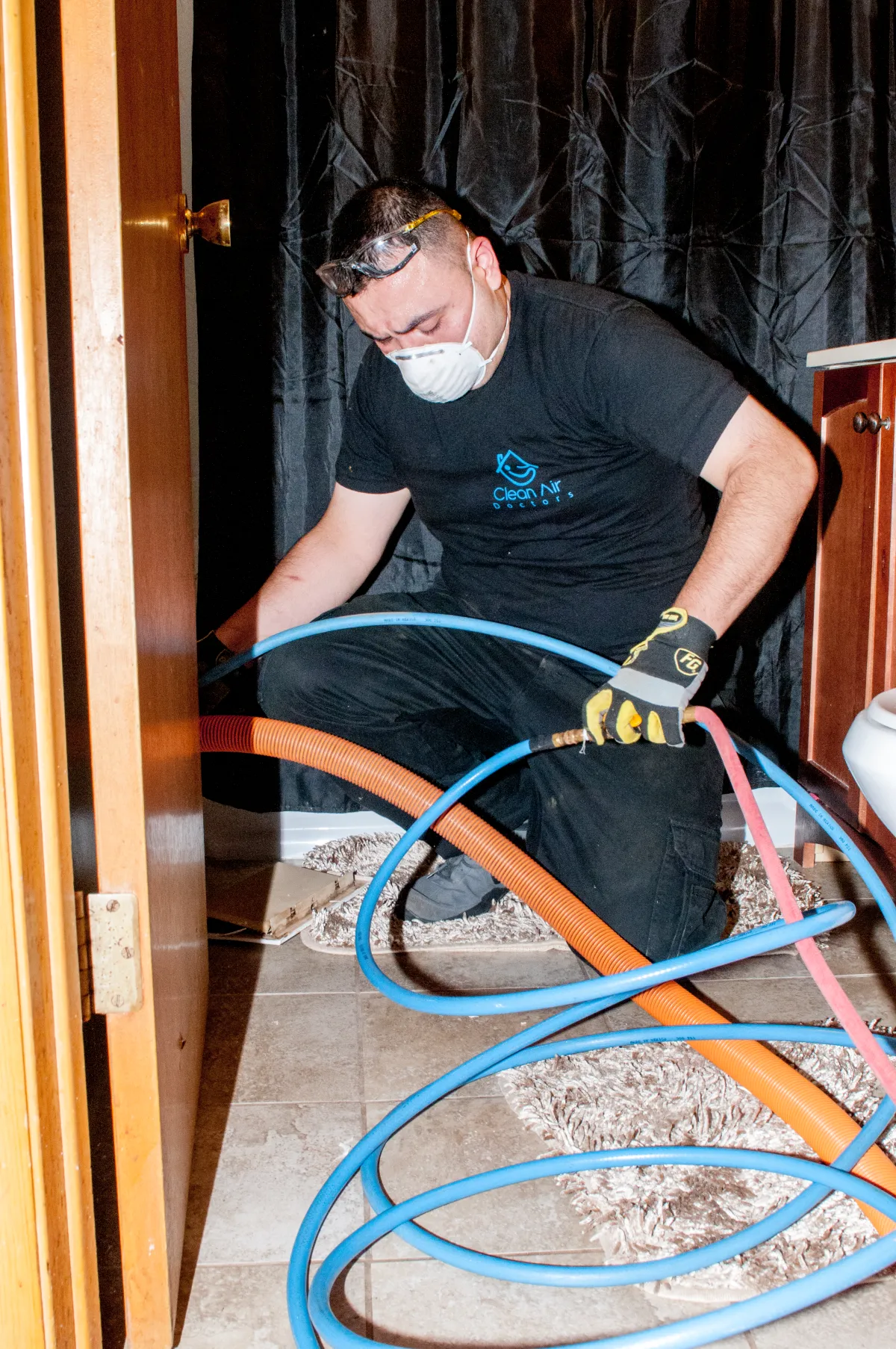
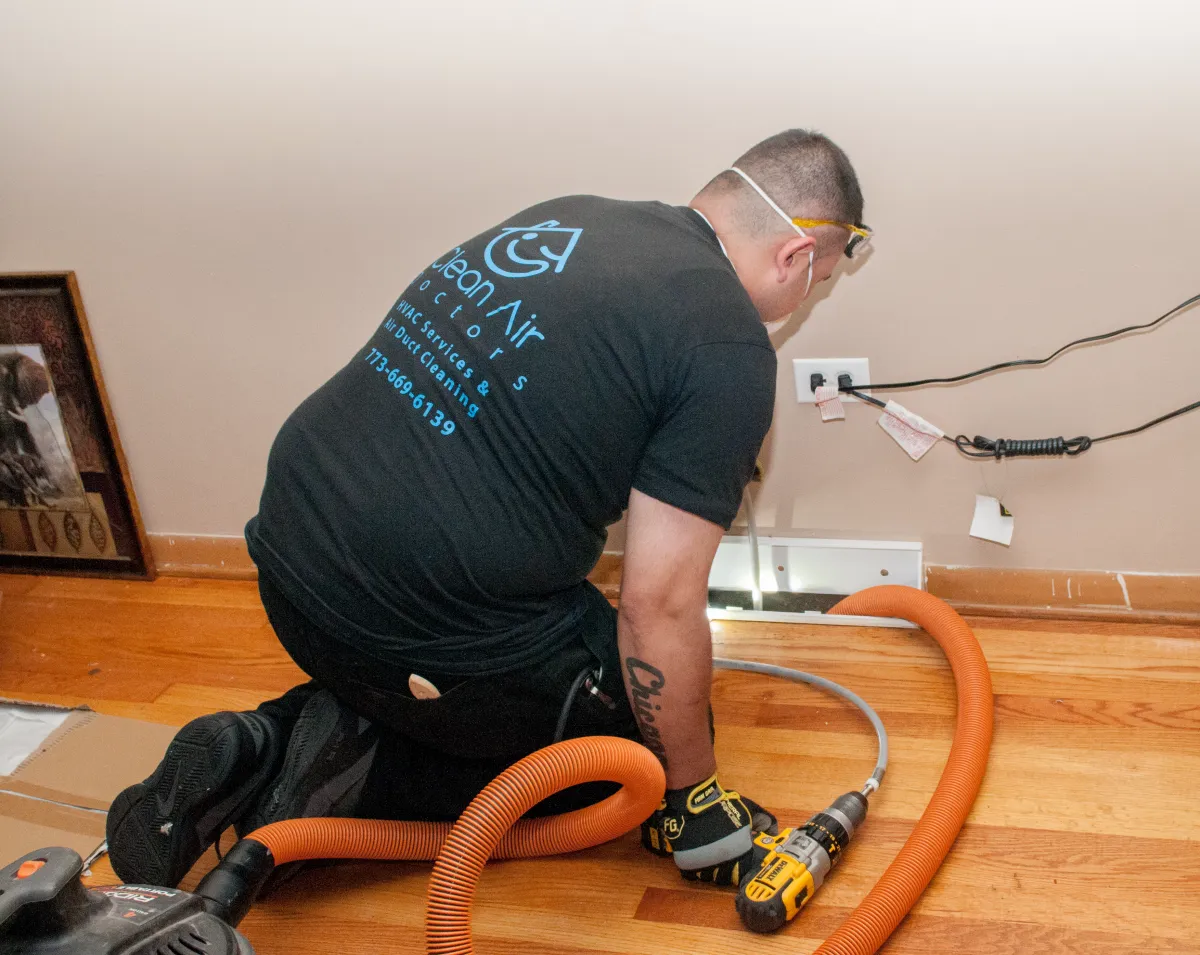
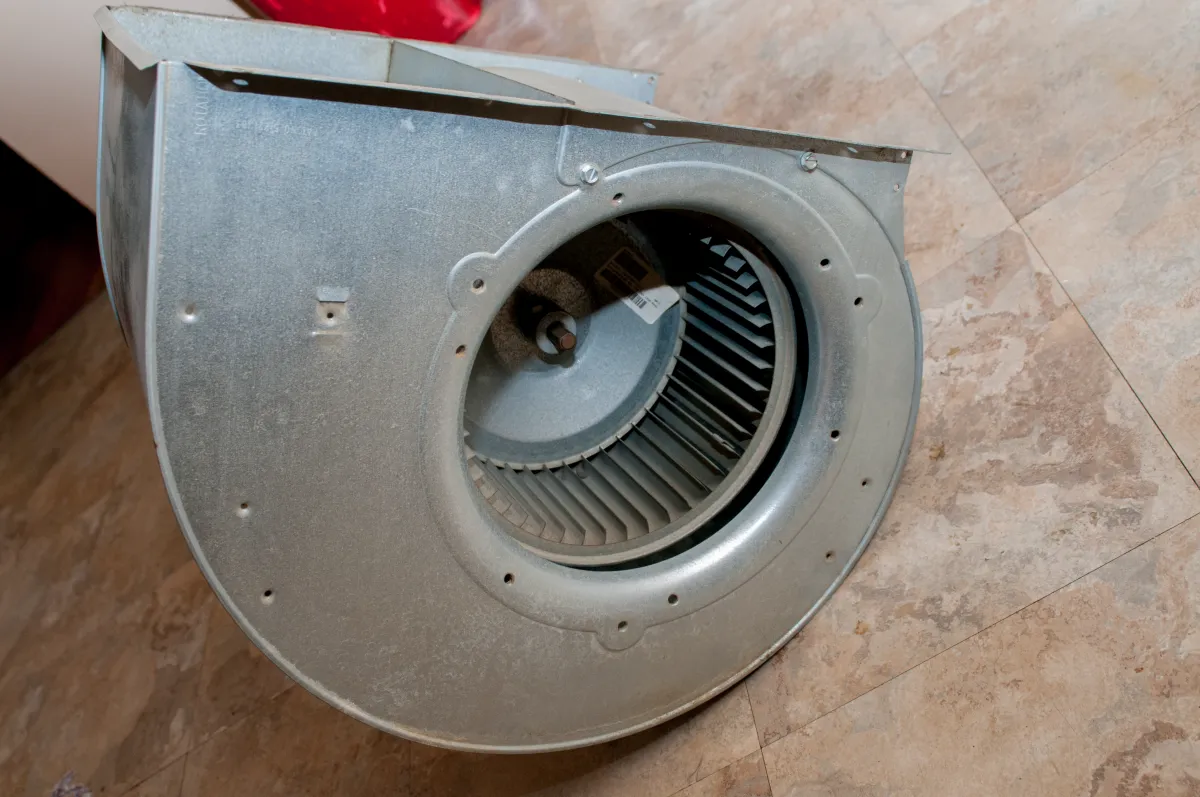
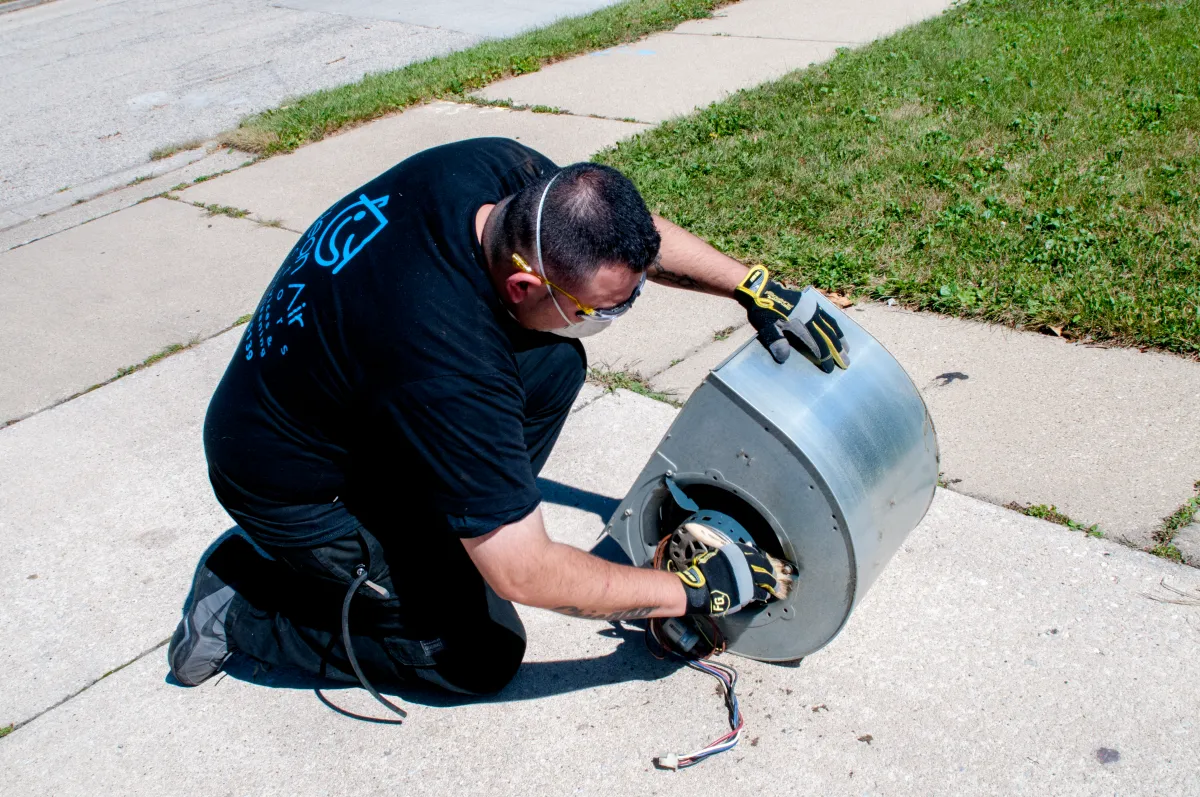
Your home's duct system carries air to every room — and everything that collects inside it gets recirculated daily. A thorough cleaning removes years of dust, allergens, and debris that affect the air your family breathes. Pairing that with proper air duct insulation means the system runs more efficiently and maintains temperature with less effort. It's one of the most direct improvements you can make to home comfort and air quality.
Commercial Air Duct Cleaning & Insulation
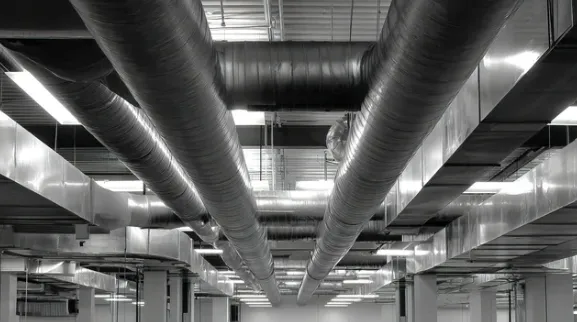
Commercial duct systems move large volumes of air and collect contaminants quickly. Regular professional cleaning keeps air quality at a standard that protects everyone inside the building — employees and customers alike. Adding insulation to the ductwork reduces energy loss and keeps the HVAC system performing consistently across larger spaces. The result is a cleaner, more comfortable environment and lower operating costs.
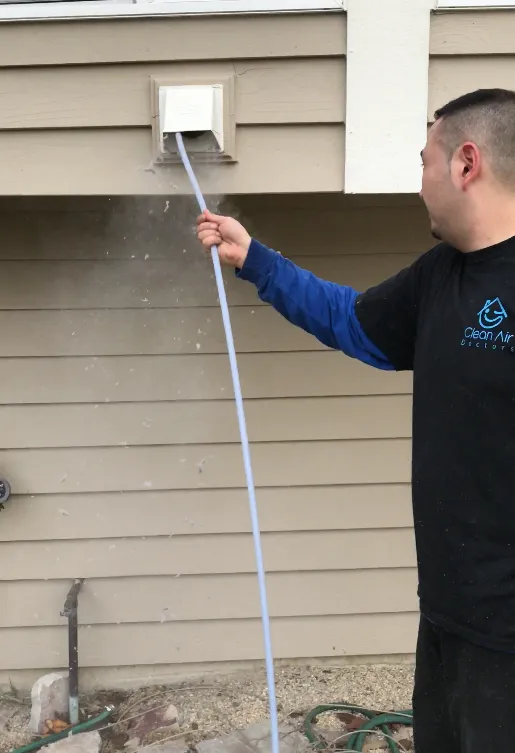
Dryer Vent Cleaning Service
A clogged dryer vent is one of the most overlooked fire hazards in a home — and it builds up quietly over time. Lint accumulation restricts airflow, forces the dryer to work harder, and puts real stress on the appliance. Regular cleaning keeps the vent clear, the dryer running efficiently, and your home safe. If your clothes are taking longer to dry than they used to, the vent likely needs attention.
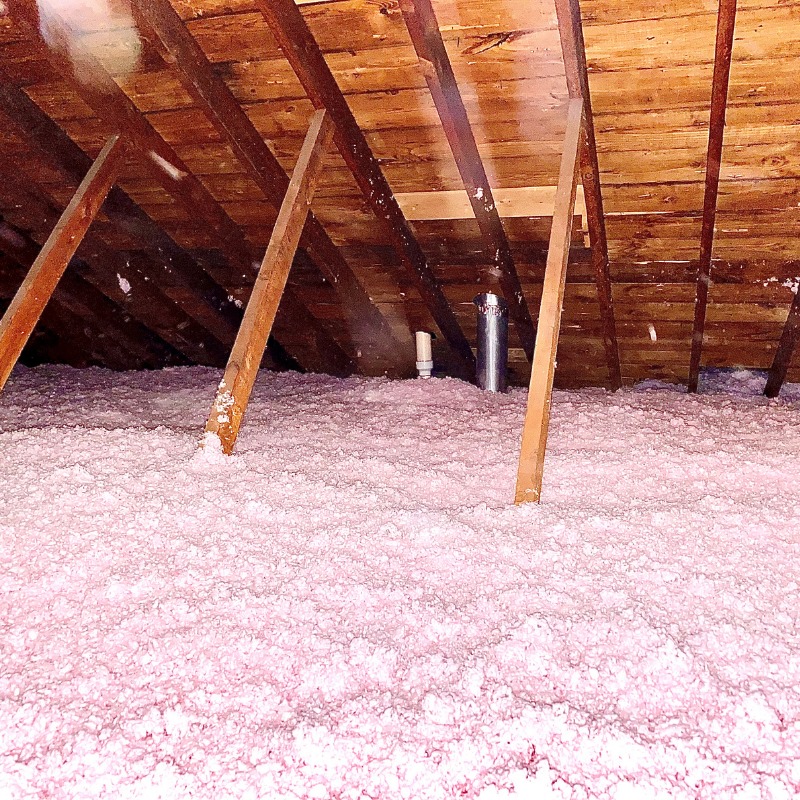
Attic & Flat Roof Insulation Installation
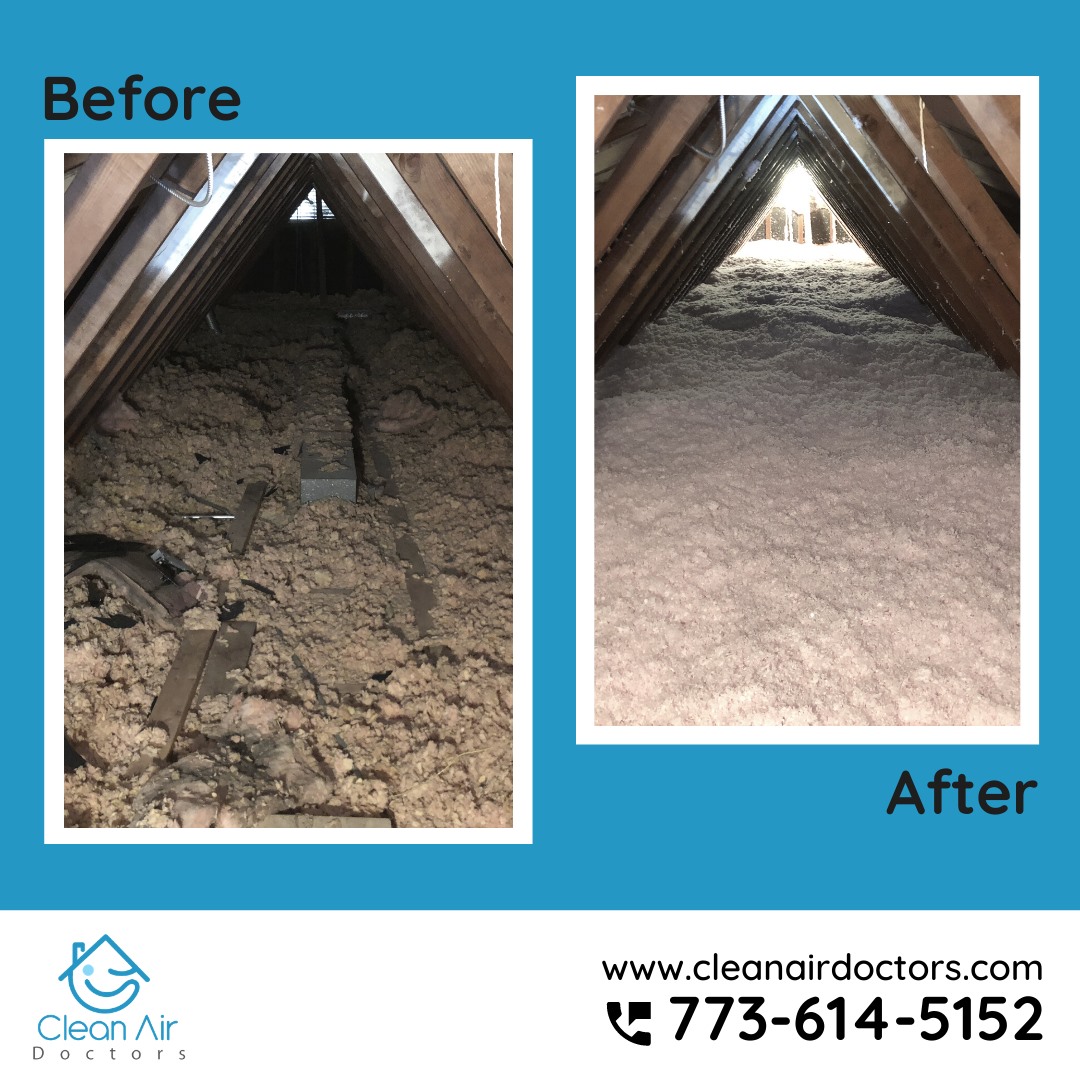
Without adequate attic insulation, heat escapes directly through the roof in winter and bakes down into living spaces in summer. Proper installation creates a thermal barrier that keeps your home comfortable year-round and significantly reduces the load on your HVAC system. Flat roof insulation addresses the same issue for low-slope rooflines, protecting the structure and stabilizing interior temperatures. Both services pay for themselves in energy savings over time.
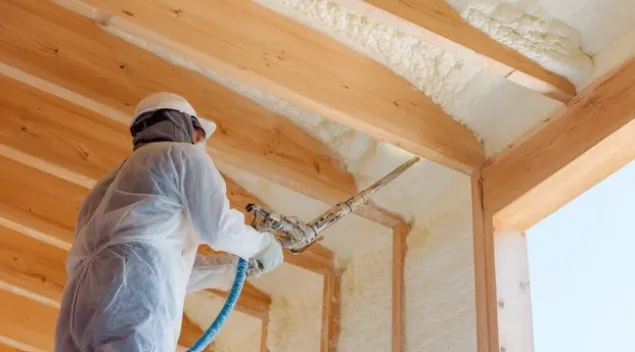
Spray Foam Insulation (Open & Closed Cell)
Spray foam does two things at once — it insulates and seals air leaks in the same application. Closed cell foam provides a dense, moisture-resistant barrier well-suited for exterior walls, crawl spaces, and areas with humidity concerns. Open cell foam expands more freely and works well for interior walls and attics where flexibility matters. The result is a tighter building envelope and noticeably better energy performance compared to traditional insulation alone.
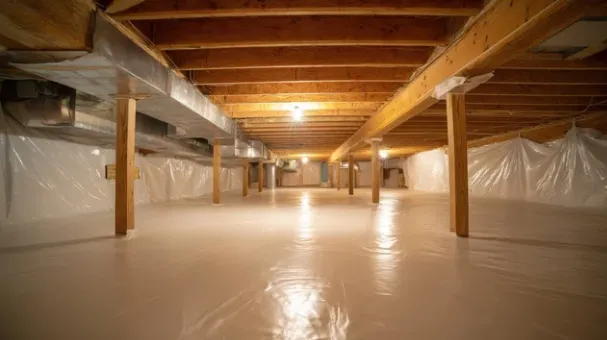
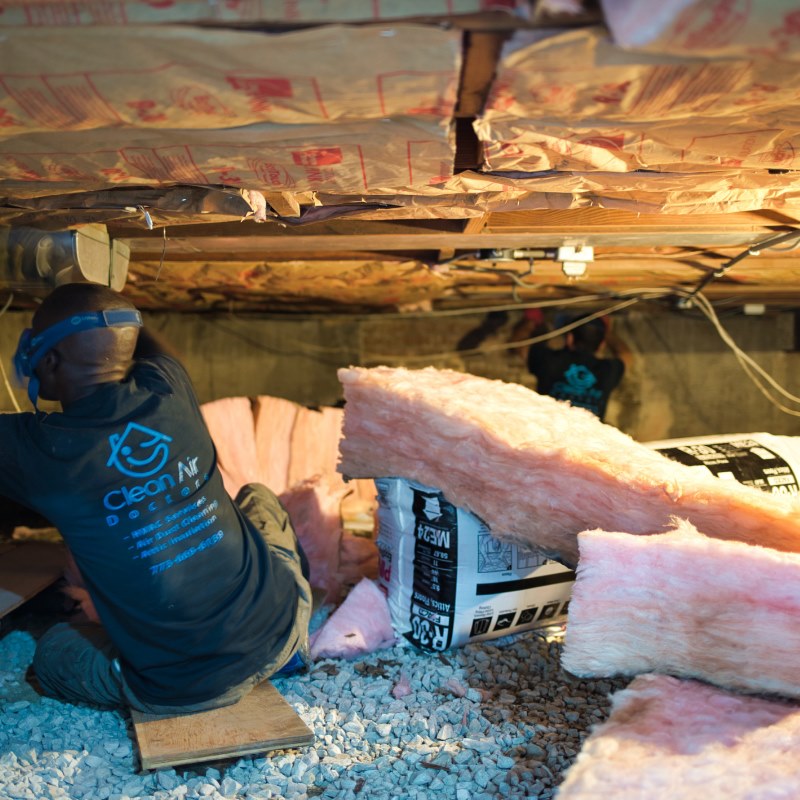
Crawl Space Insulation & Vapor Barrier
Crawl spaces are one of the most overlooked areas in a home, yet they directly affect floor temperature, moisture levels, and air quality throughout the house. Insulating the crawl space stops cold air from rising through your floors during winter and keeps the space thermally stable. A vapor barrier controls ground moisture that leads to mold growth and long-term structural damage. Together, these two services protect your home from the ground up.
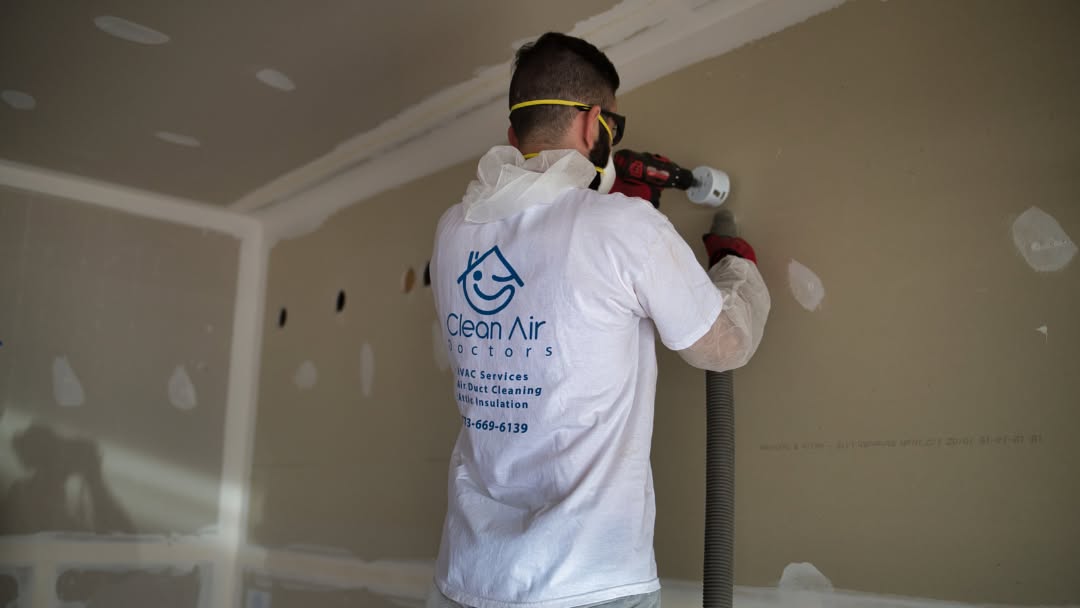
Wall Insulation (Drill & Fill / Netting & Filling)
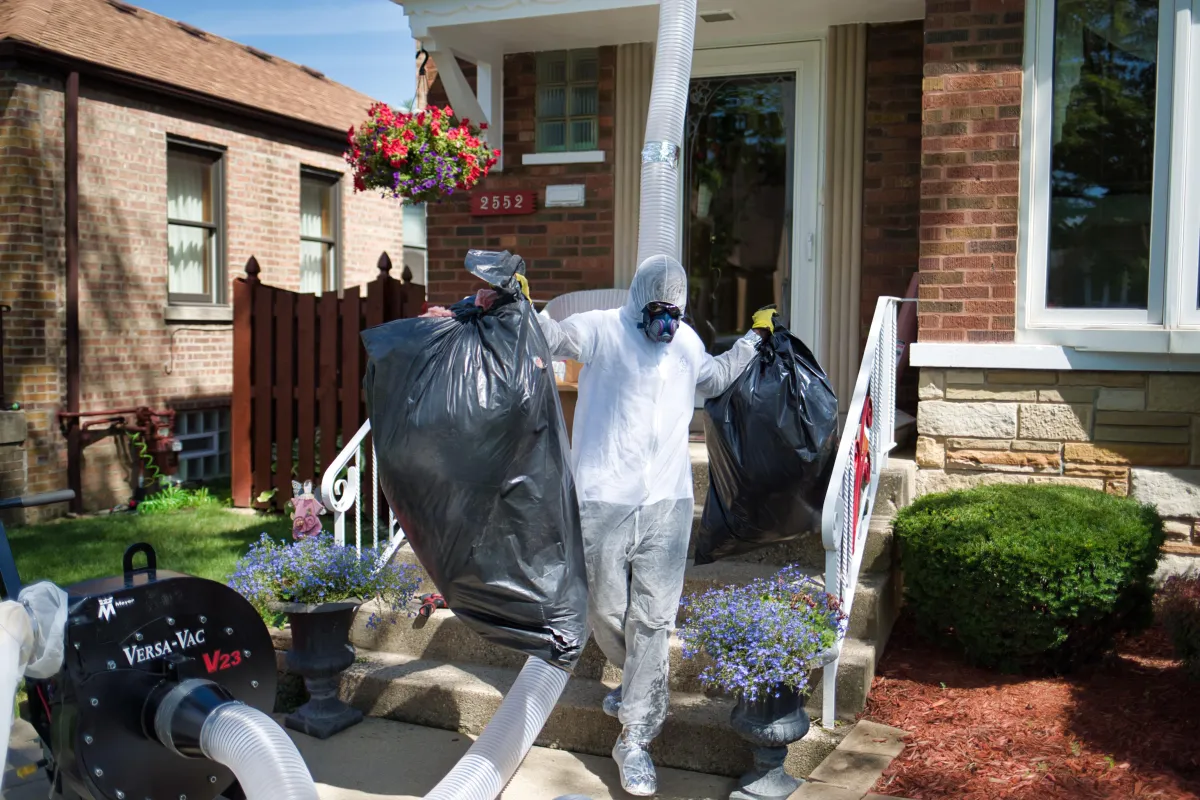
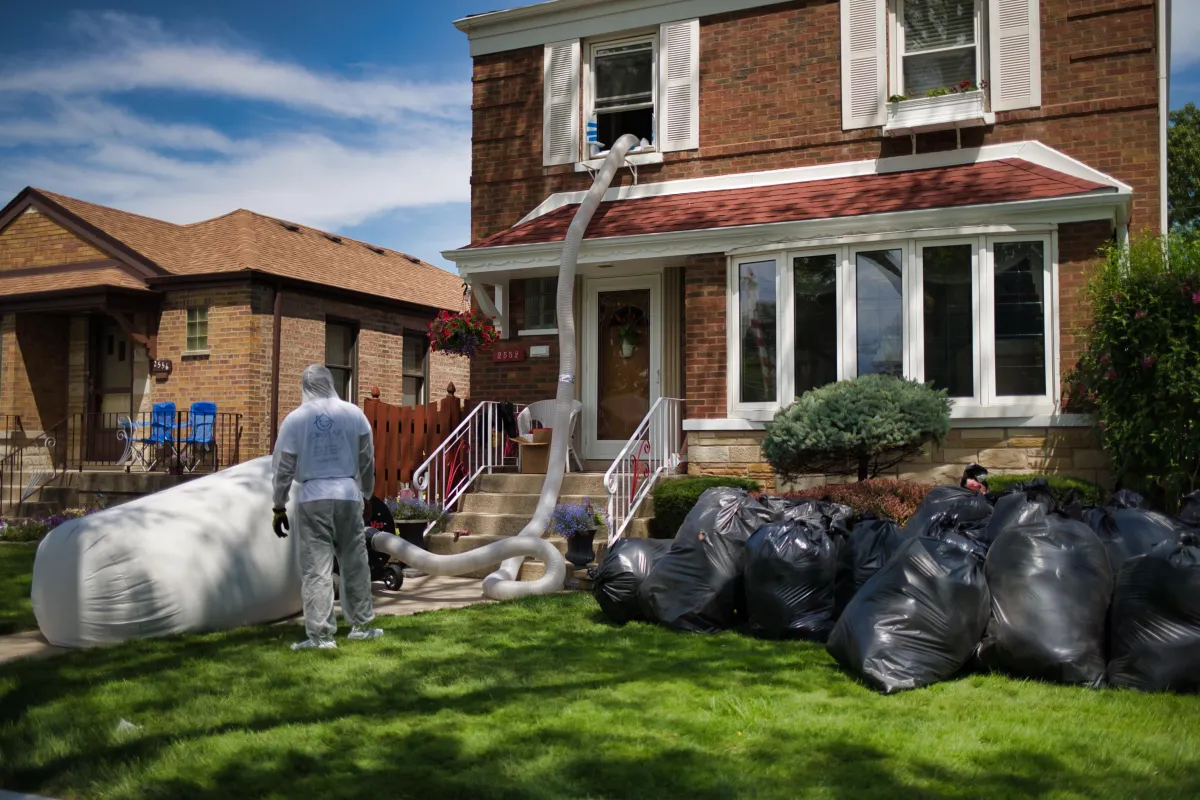
Many older homes were built with little to no insulation inside the walls, leading to cold drafts, uneven room temperatures, and high heating bills. The drill and fill method involves creating small openings in the wall cavity and injecting insulation — no drywall removal required. The netting and filling approach uses a mesh backing to hold blown-in material securely within the cavity. Both methods dramatically improve thermal performance with minimal disruption to the home.
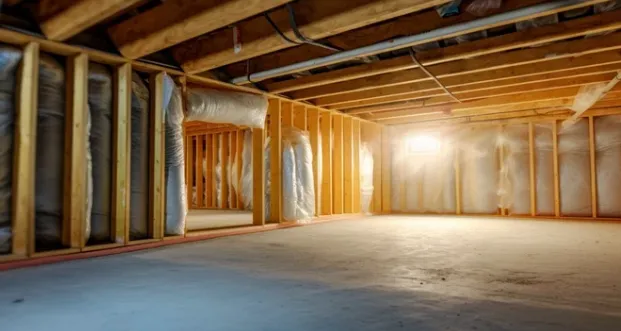
Basement Insulation Services
An uninsulated basement is a consistent source of heat loss and cold floors throughout the home. Insulating basement walls and rim joists keeps the space warmer, reduces the workload on your heating system, and helps control the moisture that is common in basements due to seasonal temperature swings. The lower level of your home has a bigger impact on overall comfort than most homeowners realize. Addressing it properly makes a difference you can feel throughout the entire house.
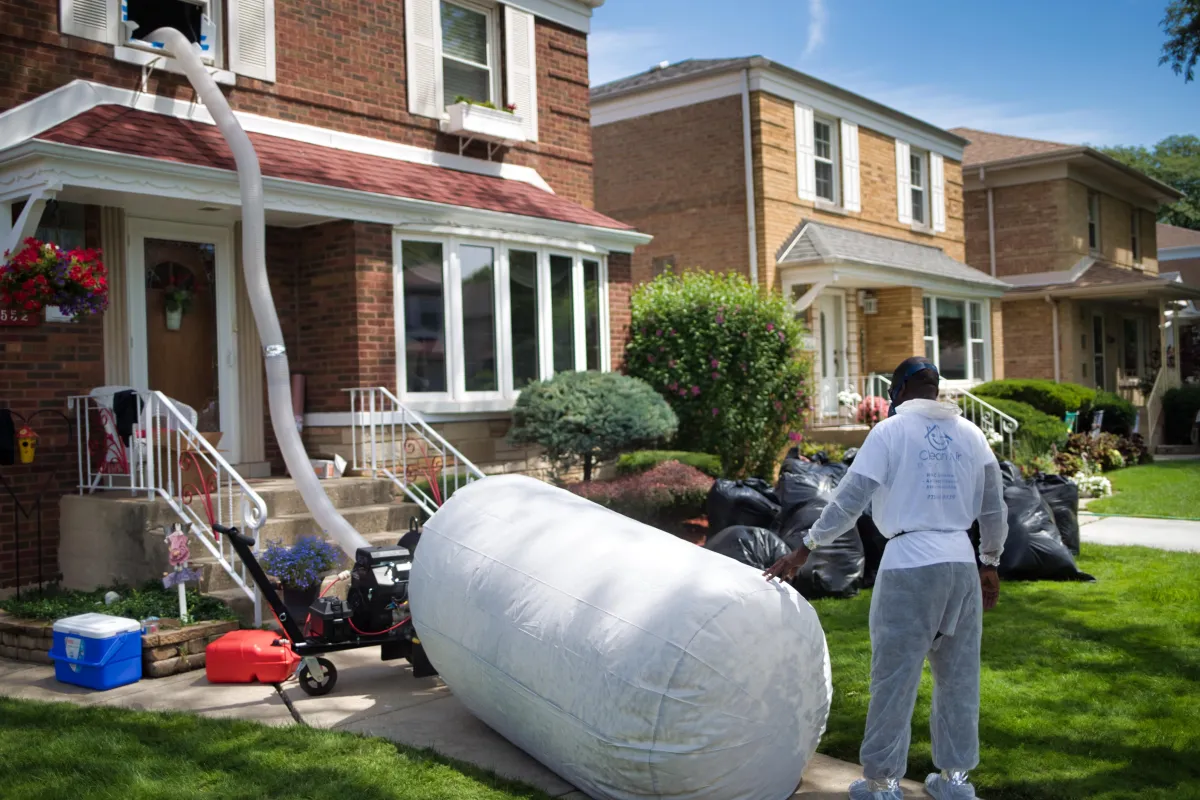
Blown-In & Batt Insulation
Blown-in and batt insulation are two of the most reliable methods for achieving consistent thermal coverage across a home. Blown-in material — available in fiberglass, cellulose, or rockwool — works well in attics, walls, and irregular spaces where thorough coverage is the priority. Batt insulation comes in pre-cut panels and fits cleanly between studs and joists in open wall or renovation projects. The right material and method depend on the area being insulated and the performance goal.
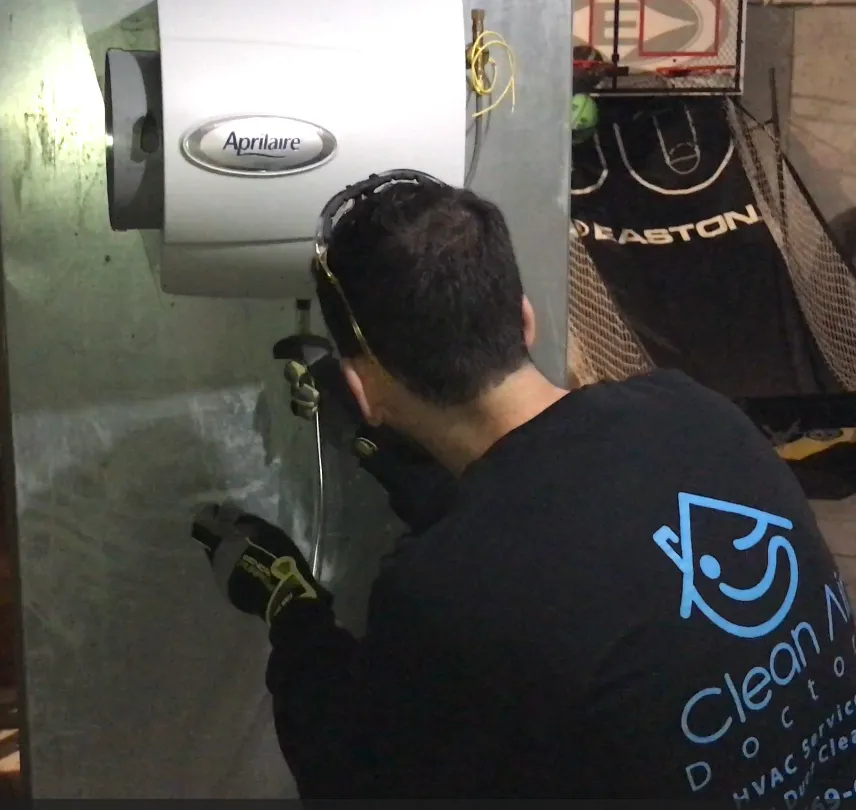
Whole House Humidifier Installation
Dry indoor air is a real problem during Chicago winters — dry skin, irritated sinuses, and static electricity are common symptoms. A whole house humidifier connects directly to your HVAC system and maintains consistent humidity levels automatically throughout the entire home. It also protects hardwood floors, wood trim, and furniture from the cracking and warping that dry air causes over time. It's a simple upgrade with a noticeable impact on day-to-day comfort.
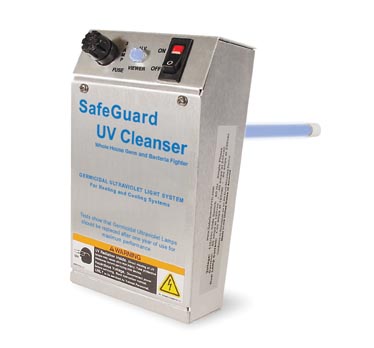
UV Light Air Purification System
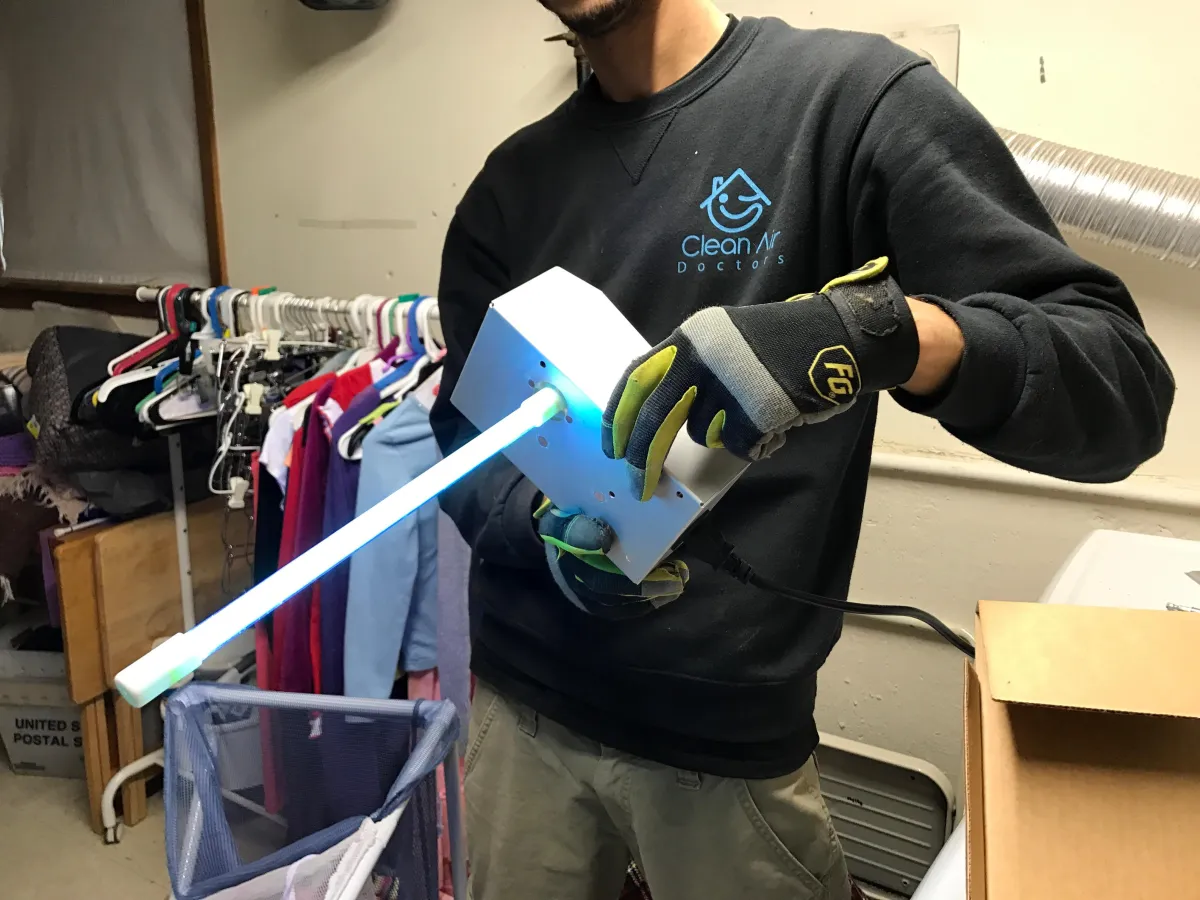
UV air purifiers are installed inside your HVAC system where they work continuously to neutralize airborne bacteria, mold spores, and viruses before they circulate through the home. Unlike portable units, a whole-home UV system treats every cubic foot of air that passes through your ductwork. This is especially valuable for households with allergy sufferers, asthma, or anyone focused on maintaining clean indoor air. Installation is non-invasive and the system starts working immediately.
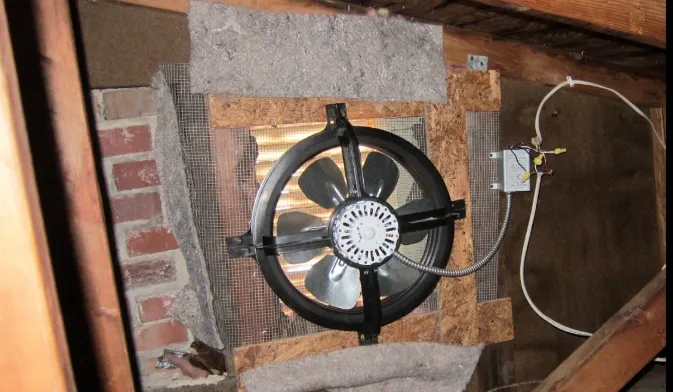
Attic Fan, Bathroom Fan & Roof Vent Installation
Proper ventilation controls the heat, moisture, and stale air that builds up in a home's upper structure. Attic fans draw out trapped heat during summer, lowering cooling costs and extending the lifespan of your roof. Bathroom fans remove humidity from high-moisture areas, preventing mold from forming on walls and ceilings. Roof vents work alongside these systems to keep consistent airflow through the entire structure.
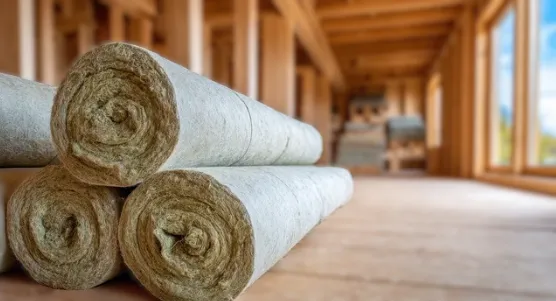
Soundproofing Insulation
Soundproofing insulation reduces noise transfer between rooms, floors, and from outside into your living space. Dense insulation materials absorb sound waves rather than letting them pass through walls and ceilings. This is especially useful in multi-unit buildings, home offices, bedrooms, and any space where outside noise or room-to-room sound is a persistent problem. The installation process is close to standard insulation work but uses materials specifically rated for acoustic performance.
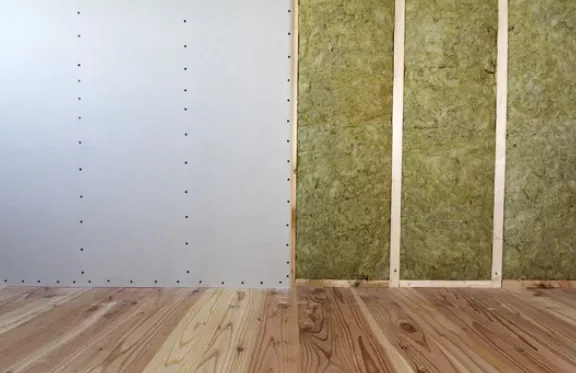
Drywall Repair & Installation
Water damage, impact, or renovation work can leave walls in rough shape. Clean Air Doctors handles drywall repair and full installation so you don't need to bring in a separate contractor after insulation or vent work is completed. Repairs are matched to existing texture and finished cleanly for a seamless result. Whether it's a small patch or a full section, the work is done with the same care as every other job on the list.
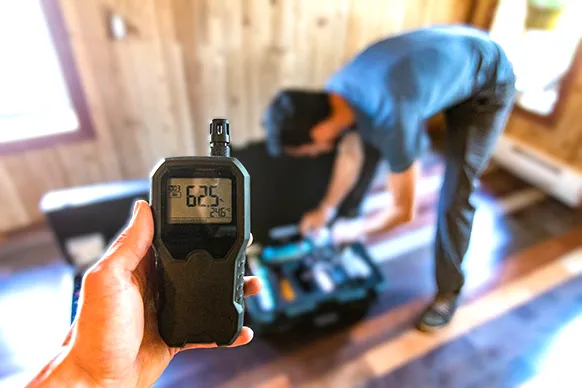
Indoor Air Quality & HVAC Assessment
Before recommending any service, a proper inspection gives you a clear and honest picture of what's actually happening in your home. This assessment covers duct condition, airflow, insulation gaps, and potential contaminants circulating through the system. You receive a straightforward summary of findings and honest recommendations — no pressure, no inflated problem lists. It's the right starting point for any homeowner looking to improve comfort, air quality, or energy efficiency.
DISCOVER WHAT OUR CUSTOMERS HAVE TO SAY ABOUT US
REVIEWS
Review us on Google
⭐⭐⭐⭐⭐
Breathe Cleaner. Live Better.
Contact Us
Social


Quick Links
Services
Locations
